How to Dispose of Electrical Waste in Japan: A Simple Guide
Living in Japan comes with many conveniences, but when it comes to disposing of electrical waste, many people find themselves confused about the correct procedures. If you’re wondering how to properly dispose of your old gadgets, appliances, or batteries, this guide will walk you through everything you need to know about electrical waste disposal in Japan.
Japan has strict rules around electrical waste, also commonly called electronic garbage or e-waste, to ensure environmental safety and efficient recycling. Understanding these rules will help you avoid fines and contribute to a cleaner, eco-friendly Japan.

What Counts as Electrical Waste?
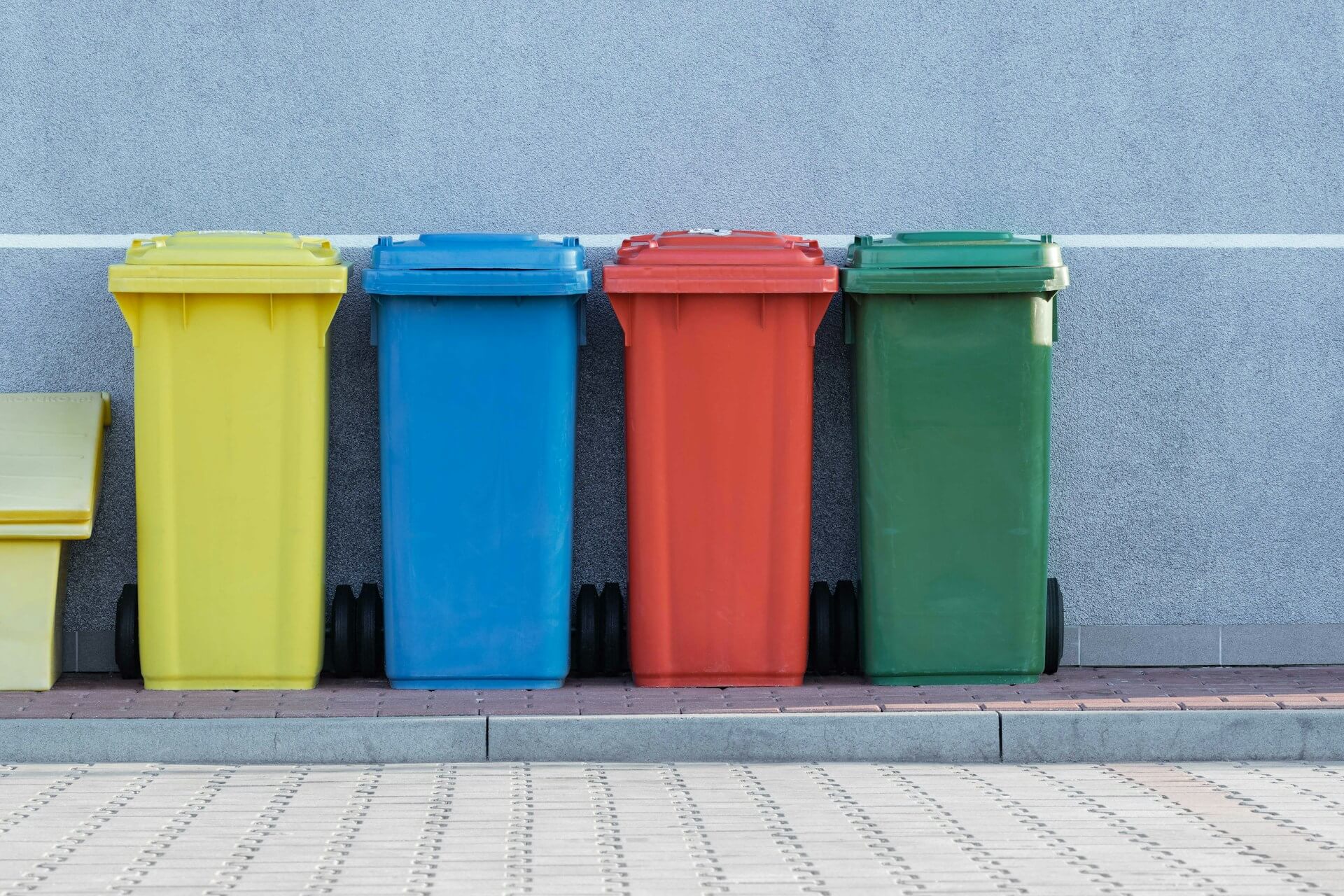
Electrical waste includes a broad range of items: old TVs, refrigerators, microwaves, washing machines, computers, phones, tablets, and even hair dryers. If it plugs in or uses batteries, chances are it’s considered electronic garbage once you no longer use it. Smaller items like electric toothbrushes or rice cookers also fall under this category. And don’t forget: battery disposal is its own important category within electrical waste.
Why Proper Disposal of Electrical Waste Matters
Improper disposal of electrical waste can harm the environment because many of these items contain hazardous materials like lead, mercury, cadmium, and lithium. These substances can leach into soil and water if dumped irresponsibly. Japan’s recycling system is designed to safely handle these materials and recover valuable components like copper, gold, and rare earth metals from e-waste.
Proper disposal isn’t just about avoiding fines, it's about keeping your neighborhood and environment clean and safe.
How to Dispose of Electrical Waste in Japan
Japan has a well-structured system for handling electrical waste, but it can vary slightly depending on your city or ward. Here are the general steps you need to follow:
1. Identify Your Local Disposal Rules
The first step is to check your local municipal website or contact the city office to understand the specific guidelines for electrical waste disposal in your area. Many cities have designated days or drop-off points for electronic garbage.
2. Use Designated Collection Points and Services
Most cities have designated collection points where you can bring small electrical waste items. For larger appliances like refrigerators and washing machines, Japan’s Home Appliance Recycling Law requires that these items be taken to specific recycling centers or collected by designated contractors.
3. Purchase a Recycling Ticket (家電リサイクル券)
Before disposing of large household appliances such as TVs, refrigerators, washing machines and air conditioners, you will need to buy a recycling ticket. These tickets can be purchased at convenience stores or post offices. The fee varies depending on the appliance type.
4. Arrange for Collection or Delivery
After purchasing the recycling ticket, arrange for the appliance to be collected by your local waste management service or deliver it yourself to a designated collection center. Many electronics retailers will also accept old appliances when you buy a new one, sometimes including the recycling fee in the purchase.
- Donate or Reuse When Possible
If the item still works, try donating or selling it! Websites like Mercari, Craigslist Tokyo, or Facebook groups for expats often have people looking for secondhand electronics. Some NPOs and community centers also accept working appliances to redistribute to those in need. This is a great way to avoid creating unnecessary electronic garbage.
Proper Battery Disposal
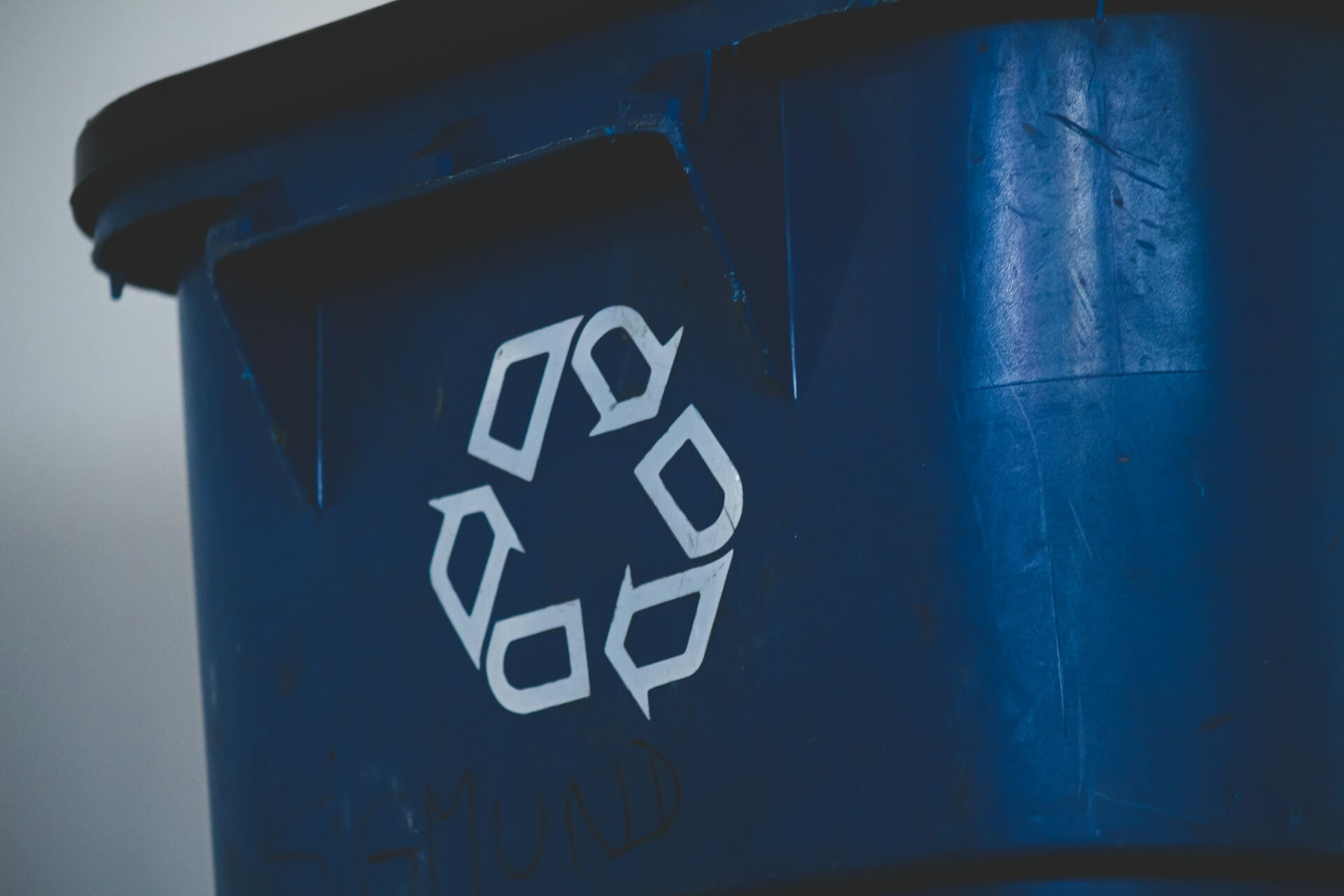
Battery disposal in Japan is very specific. Batteries should never be thrown away with regular burnable or non-burnable garbage. This includes dry cell batteries (単一, 単二, etc.), rechargeable batteries, and button batteries.
Here’s how to dispose of them correctly:
- Dry batteries: Many supermarkets, convenience stores, and electronics retailers have collection boxes near the entrance or cashier.
- Rechargeable or lithium-ion batteries: These require special care. Look for stores participating in the JBRC (Japan Portable Rechargeable Battery Recycling Center) program.
- Button batteries: Return them to watch shops or camera stores that offer collection services.
Check for city-specific drop-off locations if you’re unsure. Improper battery disposal can lead to fires, so it’s crucial to do it right!
Convenient Locations for Electrical Waste Disposal
- Local Ward or City Offices: Most have clear guidelines and sometimes accept small electrical waste.
- Designated Recycling Centers: For large appliances, these centers handle proper processing.
- Retailers: Large electronics stores often accept old devices when you buy new ones.
What NOT to Do When Disposing of Electrical Waste
- Don’t throw electrical appliances into regular trash bins. This is illegal and harmful.
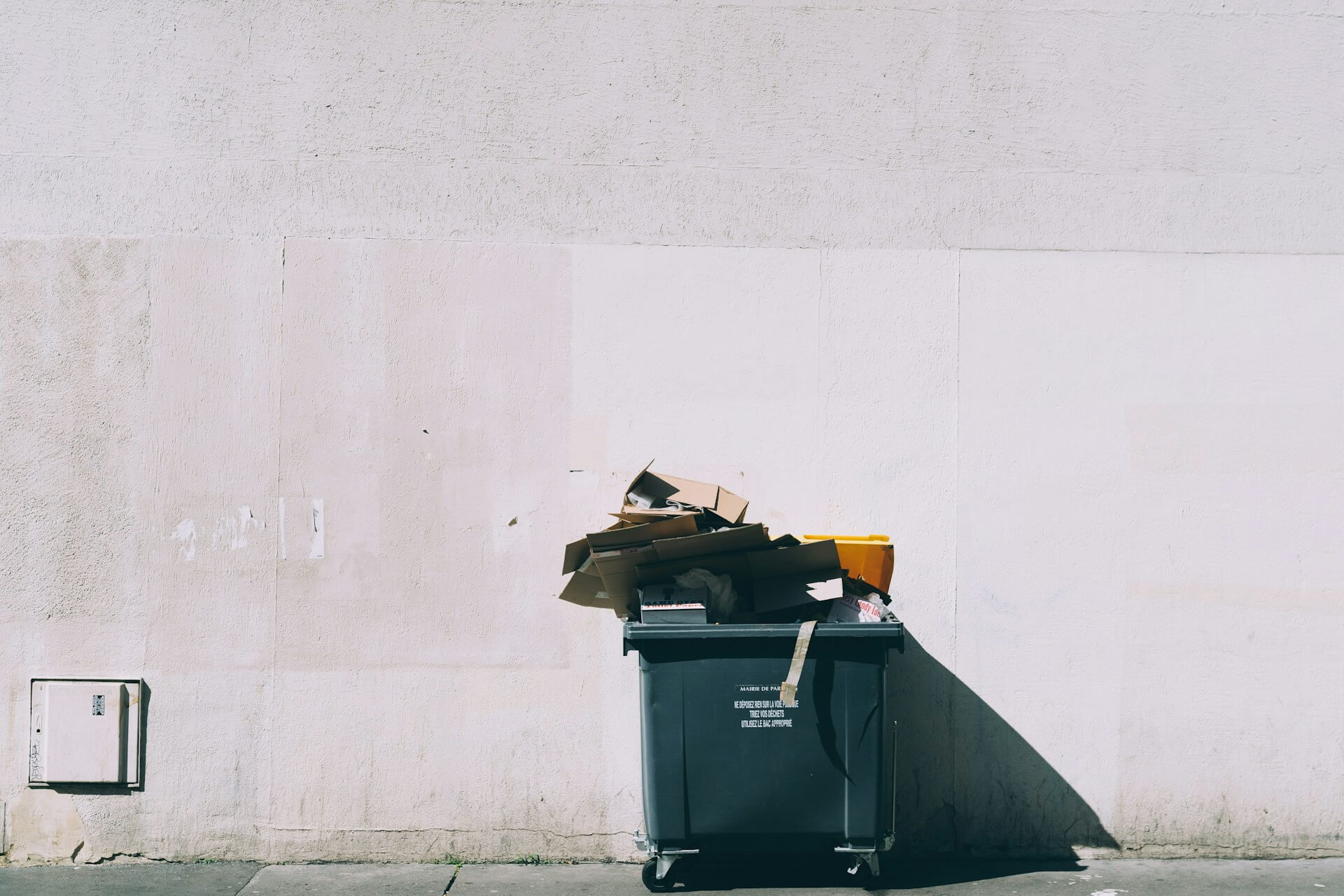
- Don’t leave electronic garbage on the street or in non-designated areas. It can be considered illegal dumping.
- Avoid mixing batteries with general trash. This can cause fires or environmental contamination.
- Don’t forget to remove personal data from devices like computers or phones before disposal.
- Don’t ignore recycling fees. Paying for the recycling ticket is part of responsible disposal.
Additional Tips
- Try to donate or sell still-working appliances to reduce waste.
- Always ask your landlord or building management for guidance if you live in an apartment.
- Keep an eye out for community collection events, which often include electrical waste disposal.
Final Thoughts
Disposing of electrical waste in Japan doesn’t have to be complicated. By following the steps outlined above, you can easily and responsibly get rid of your old electronics. Remember to check your local municipality’s rules, use designated drop-off locations, and properly dispose of batteries.
If you’re interested in working part-time while helping others improve their English, consider becoming an English conversation teacher with One Coin English. It’s a flexible way to connect with people while living in Japan and sharing valuable knowledge.
If you want to learn more about life in Japan and opportunities like working as an English conversation teacher, visit One Coin English Blog - Your Guide to Life in Japan for helpful tips!

Part-Time English Teacher Job
We provide training, observations, and feedback for new teachers. We will help you thrive in the classroom!