Acne in Japan: Causes, Treatments, and Where to Get Help
Dealing with acne in Japan can feel confusing, especially if your skin changes after moving or traveling. Many people arrive with relatively stable skin and suddenly experience breakouts within weeks or months. Japan’s humid summers, dry winters, and different skincare habits can trigger acne even for people who rarely experienced it before.
Environmental factors play a major role. High humidity increases sweat and oil production, while air conditioning and winter dryness can weaken the skin barrier. Mask wearing, which is still common in Japan, can also trap moisture and bacteria against the skin. As a result, people often notice increased blackhead congestion, sudden fungal acne, or painful cystic acne that feels difficult to control. Understanding what type of acne you are dealing with is the first step toward finding the right solution.

-
Types of Acne Common in Japan
Blackhead acne
Blackhead congestion is very common in Japan due to humidity and excess oil production. Pores can become clogged easily, especially around the nose, chin, and forehead. Sunscreens and makeup products that are layered daily can also contribute to blackhead buildup if not removed thoroughly.Fungal acne
Hot and humid conditions create an environment where yeast thrives, making fungal acne more common in Japan than many people expect. This type of acne often appears as small, uniform, itchy bumps and does not respond well to standard acne treatments. Many people mistake fungal acne for clogged pores, which can make it worse if treated incorrectly.Cystic acne
Stress, hormonal changes, diet shifts, and environmental triggers can lead to deep and painful cystic acne. This form of acne often develops under the skin and can last for weeks. Cystic acne typically requires medical treatment and should not be treated with over the counter products alone.Over the Counter Acne Products in Japan
Japan offers many gentle skincare products for acne, which can be helpful for sensitive skin. Drugstores such as Matsumoto Kiyoshi, Sundrug, and Welcia carry cleansers, toners, and spot treatments designed to reduce inflammation and control oil.
Products labeled as medicated often contain ingredients like salicylic acid or sulfur. However, many Japanese products focus on mild formulations, which may not be strong enough for cystic acne or fungal acne. For this reason, reading ingredient lists carefully is important. Products that work well for blackhead congestion may not be suitable for other types of acne.
Medical Solutions for Acne in Japan
For persistent or painful acne, visiting a dermatologist is highly recommended. Dermatology clinics are common throughout Japan, and many accept walk in patients. Doctors can prescribe topical treatments, oral medication, or treatments specifically designed for cystic acne and hormonal acne.
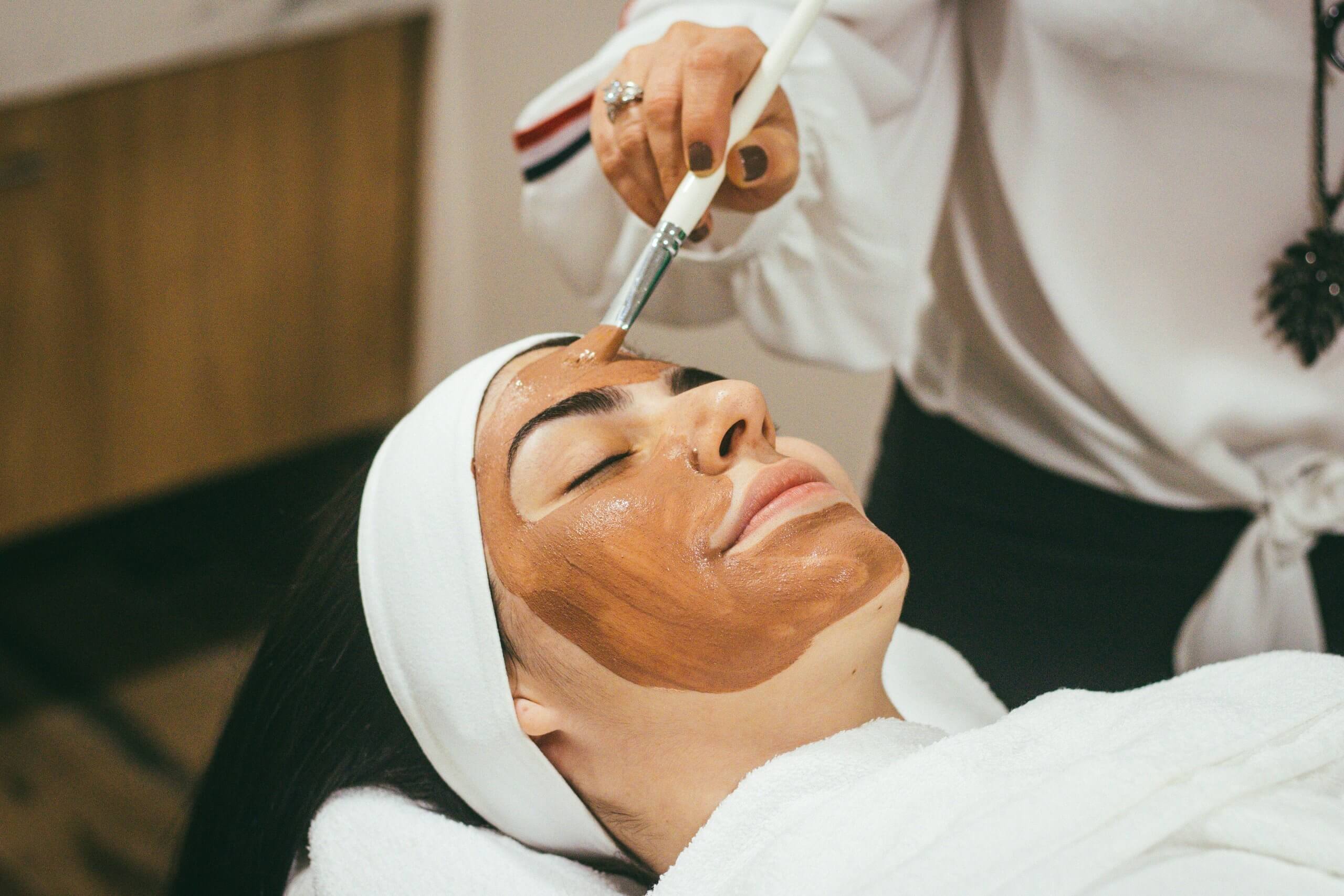
Some clinics also offer chemical peels, laser treatments, and extractions for blackhead congestion and acne scarring. Compared to many countries, dermatology visits in Japan are often affordable, especially with national health insurance.
-
Who to Talk to About Acne Problems
Dermatologists are the best option for moderate to severe acne, but pharmacists can also provide helpful advice for mild breakouts. Pharmacists are knowledgeable about over the counter treatments and can suggest products based on your skin type.
If language is a concern, international clinics and English speaking dermatologists are available in major cities like Tokyo and Osaka. These clinics can be especially helpful for explaining the difference between fungal acne, cystic acne, and other skin conditions.
Climate and Lifestyle Tips
Lifestyle adjustments can make a significant difference when managing acne in Japan. Showering after sweating, especially in summer, helps prevent pore congestion. Changing pillowcases frequently and using gentle laundry detergent can also reduce irritation.
Avoiding heavy makeup during humid months may help reduce blackhead formation. Choosing breathable masks and washing them regularly is important for preventing mask related fungal acne. Maintaining a simple and consistent skincare routine often works better than frequently switching products.
Diet and Stress Considerations
Diet changes can also influence acne. Some people notice breakouts after increasing dairy or sugary foods in Japan. Stress from work, school, or cultural adjustment can also worsen cystic acne. Prioritizing sleep, hydration, regular meals, and stress management can support overall skin health and recovery.


Living Comfortably in Japan
Managing acne in Japan takes patience, but many people eventually find routines and treatments that work for them. Learning how climate, lifestyle, and skincare habits interact can make the process less frustrating and more manageable over time.
If you enjoy living in Japan and sharing your experiences, consider working part time as an English Conversation Teacher. One Coin English offers flexible opportunities that fit around your lifestyle. You can explore more at https://onecoinenglish.com/hireme/blog and learn how teaching can support life in Japan.

Part-Time English Teaching at OCE
We provide training, observations, and feedback for new teachers. We will help you to become a successful teacher!