Emergency Numbers in Japan: A Complete Guide for Residents and Expats
Whether you’re planning to live in Japan or have recently arrived, knowing the emergency numbers in Japan is essential. Emergencies can happen anytime, from accidents at home to sudden illness or natural disasters. Being prepared ensures you can quickly reach the right emergency services, saving time and potentially lives. This guide explains the key numbers, how to access ambulance, police, and hospital services, and tips for handling language barriers.

1. Ambulance Services in Japan
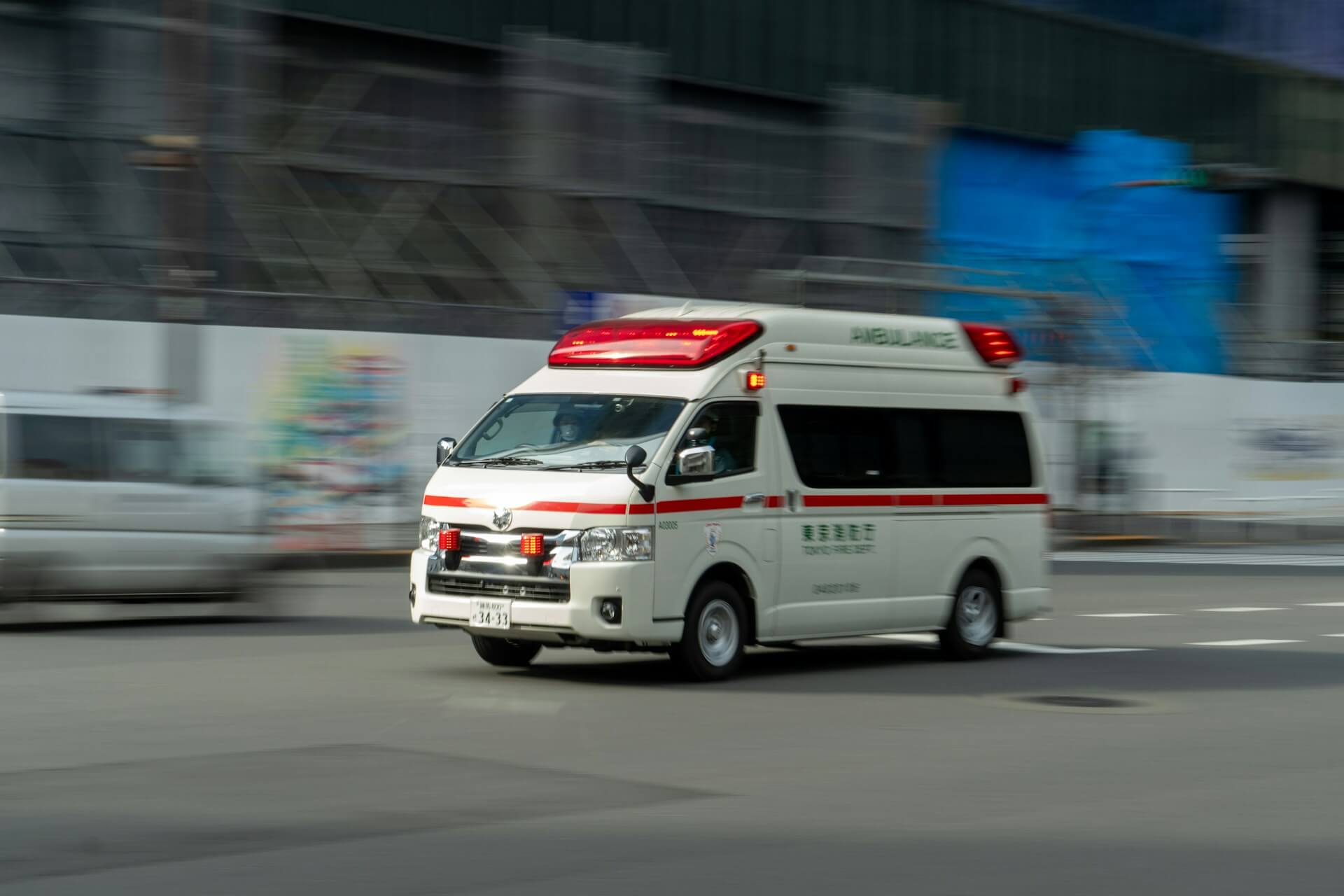
For medical emergencies, dial 119. This number connects you to ambulance and fire services. Ambulance staff are highly trained, but English support may be limited, especially outside major cities.
Tips for using ambulance services:
- Have your address written down to avoid delays. If the Kanji is too difficult, it may be good to keep a note of your address in alphabetical letters.
- Clearly describe the medical issue (pain, injury, or unconsciousness).
- Keep a small card with your health information, including allergies and chronic conditions.
- Use translation apps if no one nearby speaks Japanese.
Many hospitals in Tokyo, as well as other urban areas, have English-speaking staff. For example:
- Tokyo Medical University Hospital – offers international patient support.
- St. Luke’s International Hospital, Tokyo – English-speaking doctors available 24/7.
For non-urgent medical situations, visiting these hospitals could save you the stress of navigating smaller clinics that may not have English support.
2. Police Services in Japan
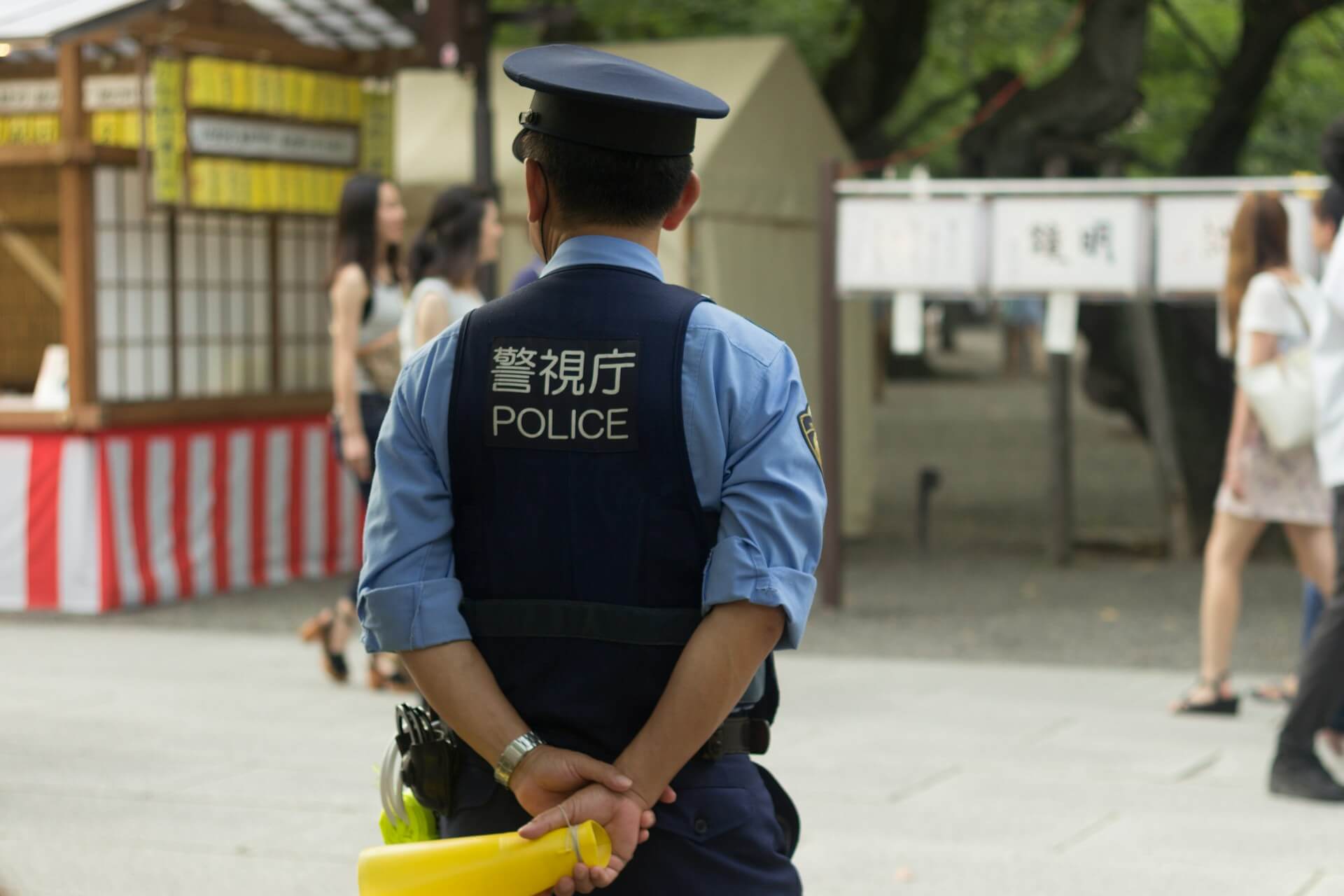
For police assistance, dial 110. This line is for crimes, accidents, and reporting suspicious activity. English support is limited, so it’s helpful to have:
- Your residence card ready
- Your address written in Japanese (This is also on the front or back of your residence card)
- A short description of the incident
Kōban, or local police boxes, are small stations scattered throughout neighborhoods. Officers are friendly and often have basic English forms for foreign residents. Visiting a kōban is also useful for lost items, traffic accidents, or questions about local safety.
Common scenarios:
- Reporting theft or lost items
- Traffic accidents involving a bicycle, cars, or pedestrians
- Suspicious activity or harassment
3. Mount Oyama – Spiritual and Adventurous
Mount Oyama in Kanagawa Prefecture is a favorite among locals seeking adventure on hiking trails near Tokyo. Approximately 90 minutes from Shinjuku, this trail offers several paths, including steep ascents and scenic waterfalls. Oyama is also known for Oyama Afuri Shrine, which sits near the summit.
This mountain is popular in both summer and autumn, though mornings are best for clear views. Trails vary from 1.5 to 3 hours depending on the chosen route, making it a flexible option for casual hikers and more serious trekkers alike.
What to bring: Hiking poles, sturdy footwear, water, and some cash for small shrines or food stalls.
Best seasons: Summer (June throughout August) for lush greenery and autumn (October and November) for foliage.
3. Fire and Rescue Services
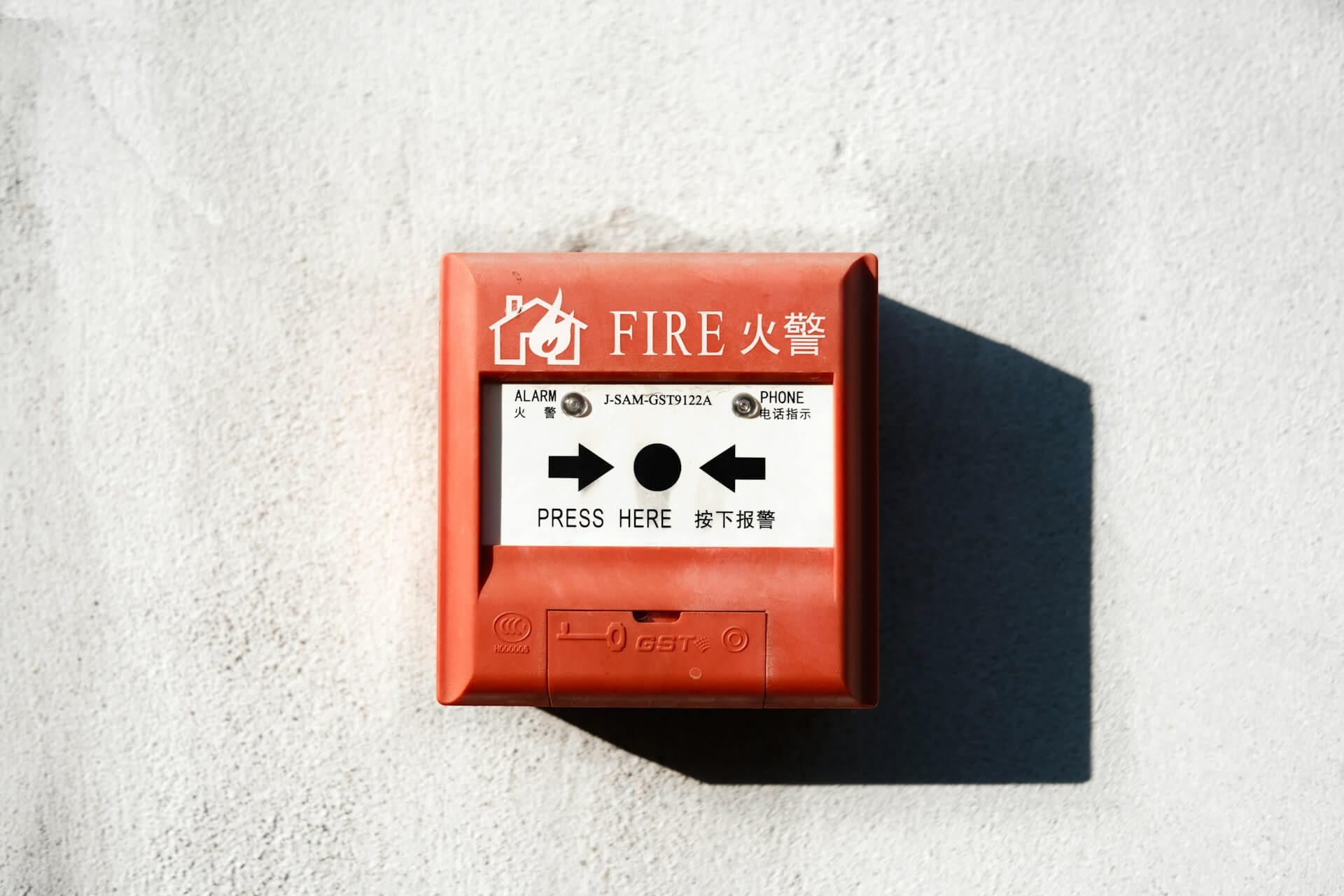
Dial 119 for fire emergencies as well. Japan’s fire departments respond to fires, natural disasters, and accidents like chemical spills or traffic collisions. Knowing your exact location is crucial, including street name, building number, and floor if applicable.
Additional tip: In areas prone to earthquakes, keep a small emergency kit with a flashlight, water, and basic medical supplies. Firefighters may also provide guidance for evacuation and disaster safety.
4. Hospitals and Medical Clinics
For non-emergency medical care, Japan has a wide range of hospitals and clinics. Major city hospitals often have international clinics or English-speaking staff. Some examples:
- International Clinic, Tokyo Midtown – general check-ups, vaccination, and outpatient care
- Roppongi Hills Clinic – English-speaking doctors for both routine and urgent care
Tips for visiting hospitals:
- Make an appointment if possible; walk-ins are accepted but may take longer.
- Bring your health insurance card, residence card, and passport.
- Learn basic medical terms in Japanese, such as 痛い (itai - pain) or 発熱 (hatsunetsu - fever).
- Keep a list of English-speaking clinics bookmarked on your phone.
For urgent care outside office hours, search online or call hospitals directly to confirm English support. Apps like Google Maps or Japan Healthcare Info can be lifesaving.
5. Poison Control and Specialized Services
Japan has regional poison control centers. While English support is limited, you can contact organizations like Tokyo English Lifeline for guidance. Keep a list of any medications in Japanese and avoid giving children or pets unknown substances.
6. Preparing Before You Arrive in Japan
If you’re moving to Japan, preparation makes emergencies less stressful:
- Save 119 and 110 on your phone, labeled “Ambulance/Fire” and “Police.”
- Write your address in Japanese and keep it on a card in your wallet.
- Note the nearest hospital, police box, and international clinic before you actually need them.
- Download translation apps and set up shortcuts for words like “ambulance” and “hospital.”
- Familiarize yourself with common medical terms in Japanese, such as けが (kega - injury) or 救急 (kyuukyuu - emergency).
- Join local expat forums or LINE groups, as many share reliable emergency resources and tips specific to your city.
7. Why English Support Matters
Even though Japanese responders are highly skilled, language barriers can slow down emergency response. In big cities, English support is more accessible, but rural areas may offer little assistance. Translation apps, bilingual friends, or neighborhood resources are invaluable.
Conclusion
Knowing the emergency numbers in Japan and having a clear plan for ambulance, police, and hospital access is crucial for safety. Being prepared ensures you can act quickly and confidently in any situation.
If you’re living in Japan and want to gain valuable experience while connecting with people, consider teaching English part-time! One Coin English hires conversation teachers across Japan, offering flexible schedules and the chance to work with learners from around the world. Check out https://onecoinenglish.com/hireme by One Coin English to start your journey today.

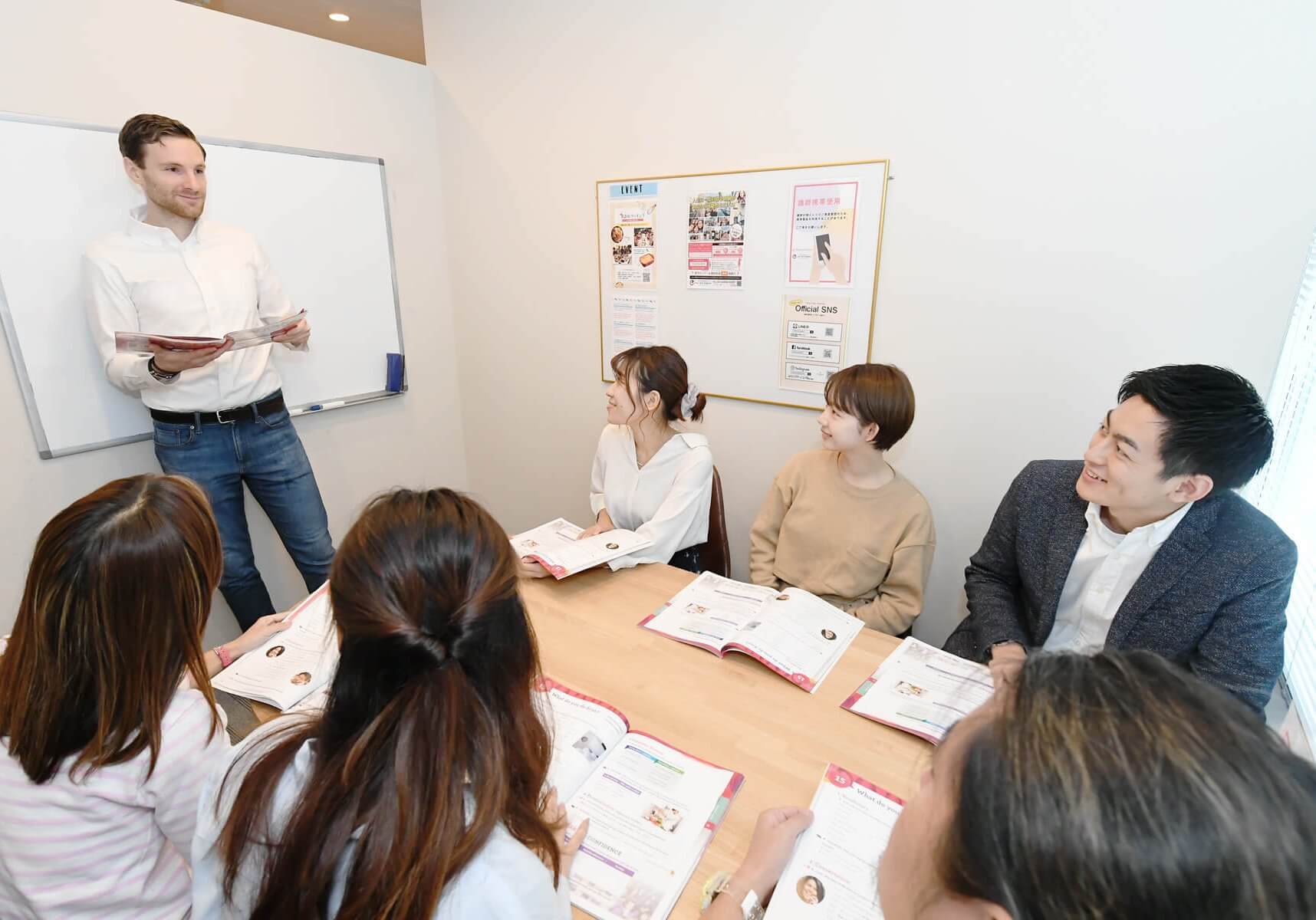
English Teaching Part-Time Job
We provide training, observations, and feedback for new teachers. We will help you to become an effective teacher!