Rainy Season in Japan: A Complete Guide to Tsuyu
The rainy season is one of the most distinctive parts of life in Japan, especially for people who have recently moved here. Known locally as tsuyu or baiu, this period brings weeks of frequent rain, rising humidity, and cloudy skies that can feel challenging if you are not prepared.
For many foreigners, the Japanese rainy season is their first real test of adapting to Japan’s climate. Understanding when it happens, how long it lasts, and how to manage daily life during the rainy season can make a huge difference in comfort and health.


What is the rainy season in Japan?
The rainy season is a seasonal weather pattern caused by moist air masses colliding over Japan. This creates long periods of rain and extremely high humidity. The Japanese terms tsuyu and baiu both refer to this same phenomenon.
Unlike sudden storms, the rainy season is characterized by steady rainfall over many days. This can affect commuting, laundry, mental health, and even housing conditions.
When does the rainy season start and end?
In most parts of Japan, the rainy season begins in early June and ends around mid July. However, the timing depends heavily on the region.
- Okinawa experiences tsuyu as early as May
- Tokyo, Osaka, and Kyoto usually see the Japanese rainy season from June to July
- Hokkaido largely avoids the rainy season altogether
The official start and end of baiu are announced each year, but weather patterns can shift, so flexibility is important.
How humidity affects daily life
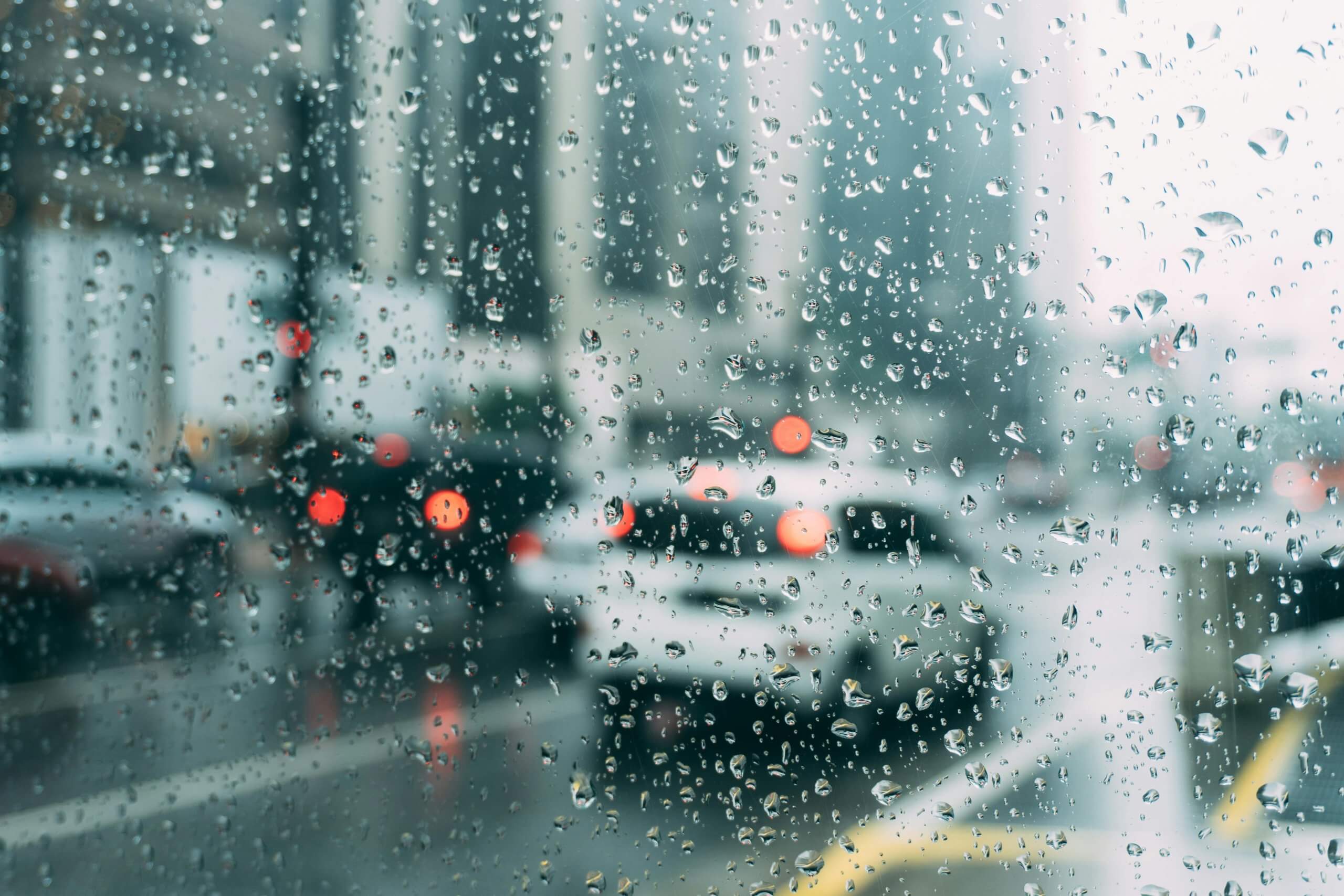
One of the biggest challenges of the rainy season is not the rain itself, but the intense humidity. High moisture levels make temperatures feel warmer and can cause fatigue, headaches, and poor sleep.
Clothing can feel damp all day, and sweat does not evaporate easily. Many people notice lower energy levels during the Japanese rainy season, especially if they are not used to such conditions.
What to prepare before the rainy season
Preparation is key to surviving the rainy season comfortably. A high quality umbrella is essential, but that is only the beginning.
Water resistant shoes or shoe covers help prevent constant discomfort during commuting. Many residents also invest in lightweight rain jackets that are breathable enough for humid weather.
Inside the home, moisture control becomes extremely important. Dehumidifiers, moisture absorbing packets, and regular ventilation help prevent mold growth, which is common during tsuyu.
Laundry and housing challenges
Drying clothes is one of the most frustrating parts of the rainy season. Outdoor drying becomes unreliable, and indoor humidity can cause clothes to smell musty.
Many people rely on indoor drying racks, bathroom drying systems, or laundromats during the Japanese rainy season. Running air conditioning in dehumidifier mode can also speed up drying and reduce moisture buildup.
Housing maintenance matters too. Closets, bathrooms, and kitchens are especially vulnerable to mold during baiu, so regular cleaning is essential.
Working and commuting during the rainy season
The rainy season can significantly affect work routines in Japan, especially for people who commute by train or bus. Platforms become crowded as people try to stay dry, and even short delays can feel more stressful during baiu.
Many residents choose to leave earlier than usual during tsuyu to avoid peak congestion. Waterproof bags, extra socks, and compact towels are common items carried during the Japanese rainy season. For those working flexible or part time schedules, adjusting work hours can make commuting during heavy rain far more manageable.
Mental health and routine adjustments
Weeks of gray skies can affect mood and motivation. It is common to feel sluggish or unmotivated during the rainy season, especially if you are new to Japan.
Planning enjoyable indoor activities can help maintain balance. Cafes, museums, gyms, and libraries become popular places to spend time when the weather feels overwhelming.
Maintaining a consistent routine, even during tsuyu, helps prevent the feeling that life is on pause.

Health tips during the rainy season
The combination of humidity and temperature changes can weaken the immune system. Staying hydrated, eating balanced meals, and getting enough sleep are especially important during the rainy season.
Skin issues and respiratory irritation are also more common during baiu, so keeping living spaces clean and dry can help prevent problems.
Final thoughts
The rainy season in Japan can feel intense at first, but with preparation and the right mindset, it becomes manageable. Understanding tsuyu, adjusting daily habits, and controlling indoor humidity allow you to stay comfortable and healthy throughout the Japanese rainy season.
If you are living in Japan and want flexible work that fits around seasonal challenges like the rainy season, consider working part time with One Coin English as an English Conversation Teacher. Teaching offers stable indoor work and adaptable schedules. Learn more at https://onecoinenglish.com/hireme/blog

Part-Time English Teaching at OCE
We provide training, observations, and feedback for new teachers. We will help you to become a successful teacher!