
Calligraphy in Japan: Lessons, Supplies, and Home Practice Guide
Learning calligraphy in Japan is a popular way to connect with language and art at the same time. Japanese calligraphy, also known as shodo, focuses on movement, pressure, rhythm, and intention. Many beginners think calligraphy is simply handwriting, but it is much closer to painting. Each stroke carries emotion, balance, and timing.
Studying calligraphy also improves kanji recognition, patience, and concentration skills. Many learners notice that practicing brush writing helps with reading Japanese faster and remembering character structure more easily. Because of this, calligraphy is often recommended for language learners who want a deeper cultural and linguistic connection.
Another appealing part of calligraphy is its accessibility. You do not need a large studio or expensive setup to start. Many students begin practicing at home using simple tools and short daily sessions.

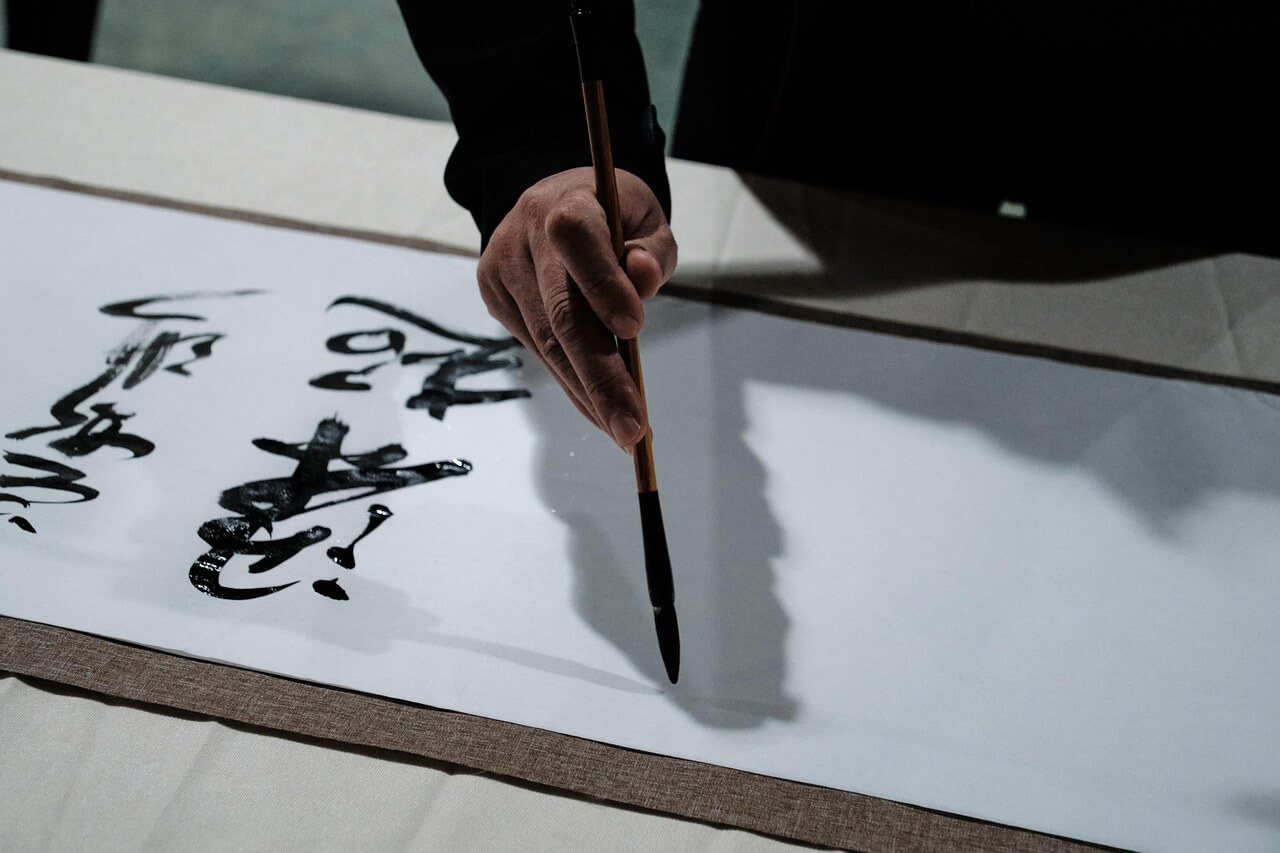
Where to Take Lessons
There are many places where beginners can study calligraphy in Japan.
Options include:
- Community centers
• Culture schools
• Private teachers
• Temple workshops
Community classes are usually the cheapest way to begin calligraphy practice. These classes are often relaxed and welcoming, which makes them ideal for beginners or people who want to try the art without long term commitment.
Culture schools often provide structured learning with regular feedback. Private teachers can offer personalized correction and faster progress. Temple workshops sometimes focus on the spiritual or meditative side of calligraphy, which some students find especially meaningful.
Supplies You Will Need
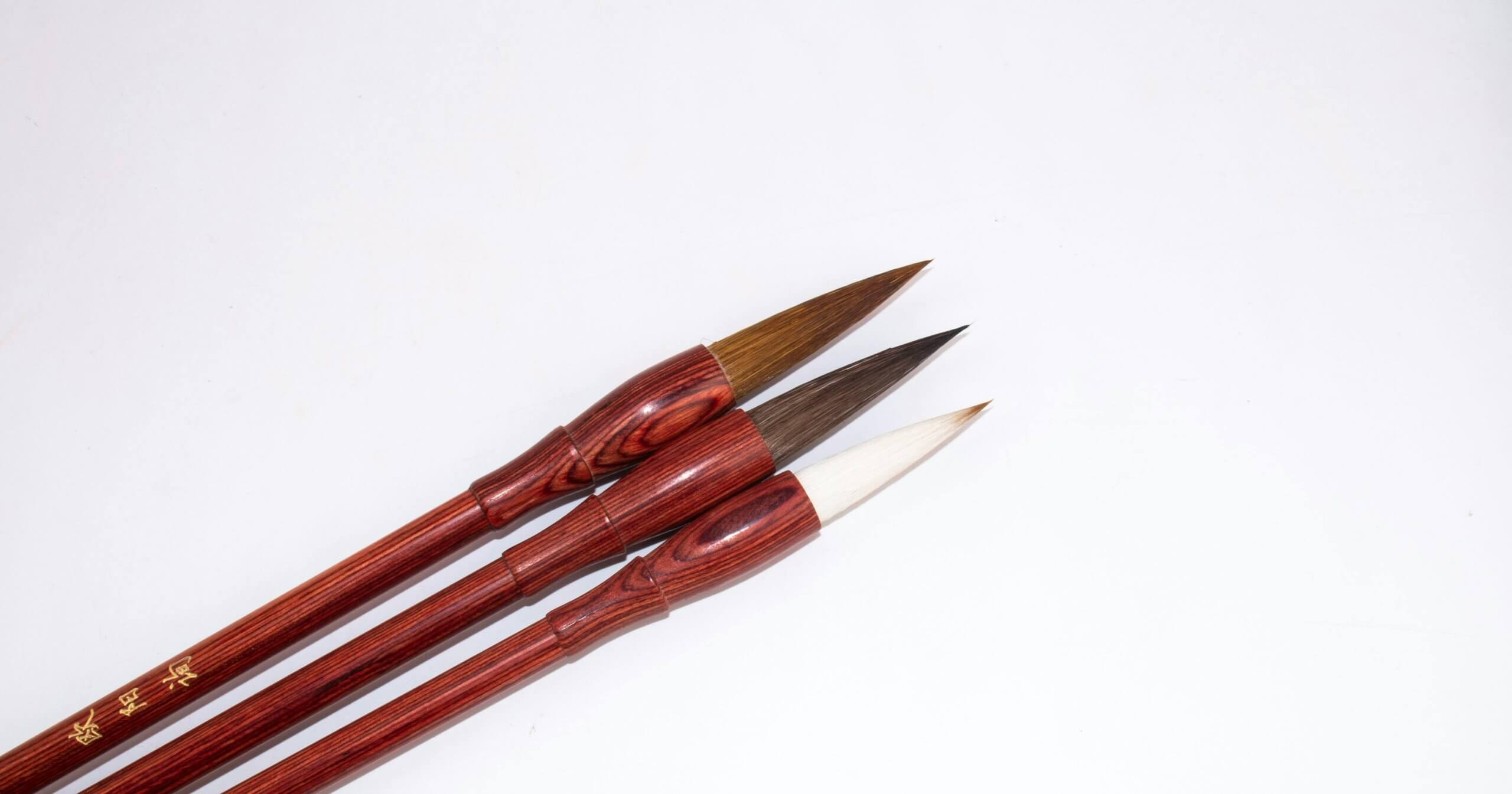
A basic starter set for calligraphy usually includes:
Brush (fude)
Ink stick or bottled ink
Ink stone
Calligraphy paper
The brush is the most important tool in calligraphy learning. A good brush helps control stroke thickness and ink flow. Beginners often start with medium size brushes because they are easier to control.
Some beginners also buy practice paper with grid lines. This helps improve spacing and balance while learning basic characters.

Kana vs Kanji Practice
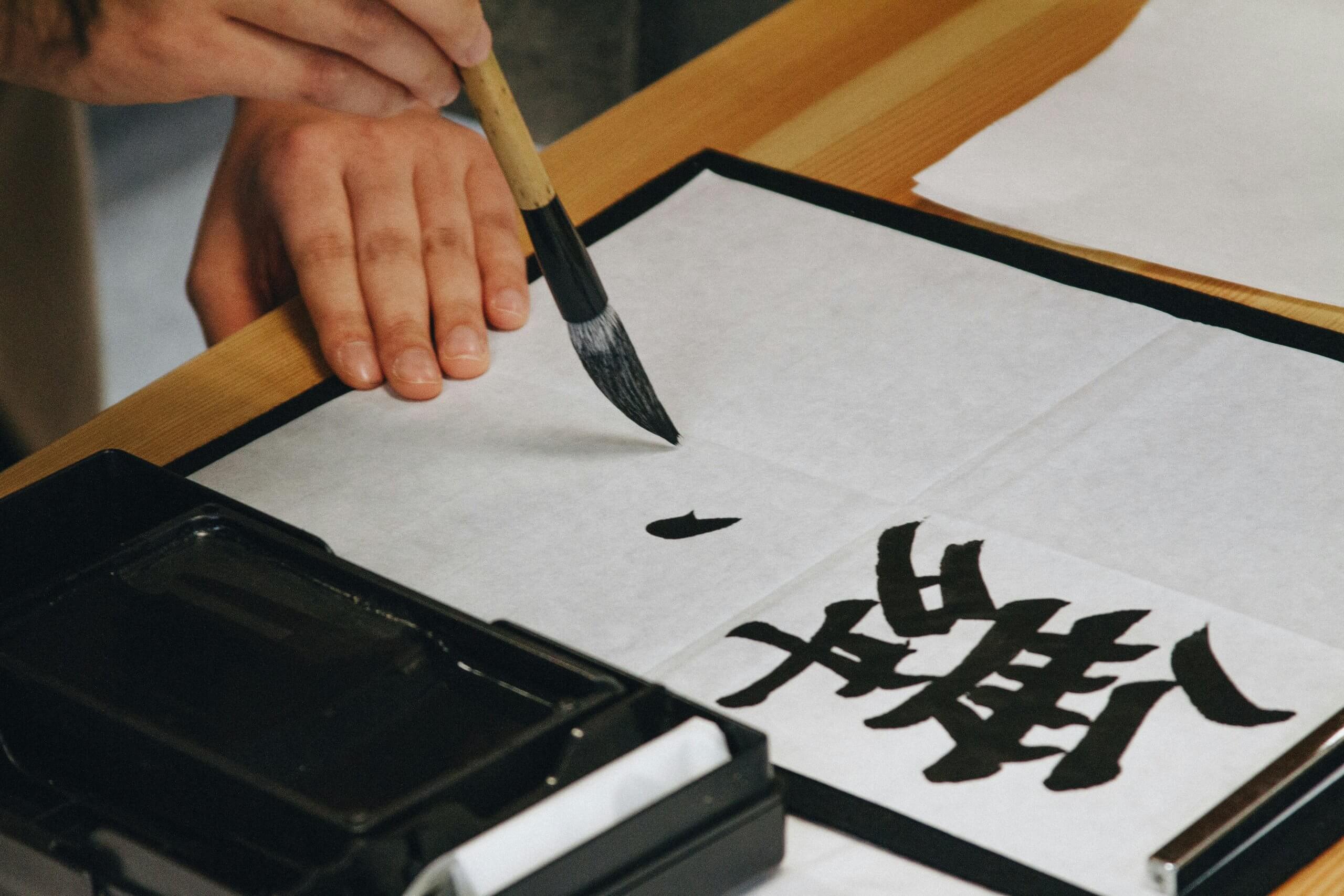
Most beginners practice both kana and kanji when learning calligraphy.
Kana practice helps develop brush flow, softness, and rhythm. Kana writing often feels more fluid and expressive.
Simple kanji practice focuses on structure, proportion, and balance. Kanji helps train control and precision.
Combining both styles helps improve overall calligraphy skill faster than focusing on only one writing system.
Lesson Structure
Most calligraphy classes follow a similar format:
- Warm up stroke exercises
• Copying a teacher sample
• Teacher correction and feedback
• Free writing or creative practice
Repetition is essential in calligraphy mastery. Writing the same character many times is normal and helps build muscle memory and stroke confidence.
Many teachers encourage students to focus on breathing and posture while writing. This helps create smoother brush movement.
Practicing in Small Apartments
You do not need a large space to practice calligraphy at home.
Helpful options include:
- Newspaper or scrap paper practice
• Water writing practice mats
• Tablet writing apps for stroke order
• Short 10 minute daily sessions
Consistency is more important than long sessions when improving calligraphy skill. Even practicing two or three times a week can lead to noticeable improvement over time.
Some students also record videos of their writing to analyze brush pressure and speed.
Moving Beyond Beginner Level
After learning basics, many students explore advanced calligraphy paths such as:
- Exhibition participation
• Teacher certification courses
• Artistic or abstract brush styles
• Large format scroll writing
At advanced levels, calligraphy becomes a fine art form. Some artists combine traditional brush writing with modern design or painting techniques.
Building a Long Term Hobby
Many learners continue calligraphy for years because it offers creative expression and mental focus. It also connects learners with traditional Japanese culture in a hands on way.
Joining exhibitions, seasonal workshops, or local art groups can help maintain motivation. Many students say community is an important part of staying committed to calligraphy long term.

Living in Japan While Pursuing Creative Interests
Practicing calligraphy can become part of a balanced lifestyle in Japan. Many residents combine creative hobbies with flexible part time work so they can continue learning and participating in cultural activities.
For those interested in combining work with cultural hobbies while living in Japan, you can explore available opportunities at https://onecoinenglish.com/hireme
You can also consider teaching with One Coin English as a part time English Conversation Teacher. Many instructors choose this type of work because schedules are often flexible. This makes it easier to continue hobbies, attend classes, and participate in cultural communities while maintaining stable income. Combining creative practice with flexible teaching work allows many people to build a sustainable lifestyle while continuing to grow their calligraphy skills.

Part-Time English Teaching at OCE
We provide training, observations, and feedback for new teachers. We will help you to become a successful teacher!