Dandruff in Japan: Causes, Prevention, and Scalp Care
Living in Japan can be exciting, but your hair and scalp may need time to adjust to the environment. Many residents and visitors notice more frequent dandruff after moving here, even if they rarely experienced it before. Japan’s unique climate – humid summers, dry winters, heavy rainy seasons, and widespread indoor air conditioning – can easily disrupt scalp balance. On top of that, differences in water quality, lifestyle stress, and haircare habits can all contribute to recurring dandruff.
If you’ve been dealing with flakes on your shoulders, itchiness, or a tight and uncomfortable scalp, you’re not alone. Dandruff is extremely common and very manageable once you understand the triggers. This guide covers the main causes, seasonal patterns, helpful ingredients, prevention routines, and common mistakes to avoid so you can keep your scalp healthy year-round.

What Causes Dandruff?
Dandruff occurs when the scalp sheds dead skin cells faster than normal. There are several everyday factors in Japan that can trigger this cycle.
1. Seasonal Dryness
Cold winter air and constant indoor heating strip moisture from the skin, leading to scalp dryness. When the scalp becomes too dry, irritation increases and visible flakes appear more easily.
2. Humidity, Sweat, and Oil Buildup
Japan’s rainy season and hot summers create a humid environment that increases sweating and oil production. Excess sebum allows naturally occurring yeast on the scalp to multiply, which is one of the most common biological causes of dandruff.
3. Hard Water Residue
Some regions have mineral-rich water that can leave deposits on your scalp after washing. This buildup may clog pores, cause irritation, and worsen dandruff symptoms over time.
4. Product Buildup
Hair wax, dry shampoo, hairspray, and even regular shampoo residue can accumulate if not rinsed well. This disrupts scalp balance and can trigger persistent dandruff.
5. Stress and Lifestyle
High stress, poor sleep, and unbalanced nutrition can affect skin regeneration and oil production, increasing the likelihood of chronic dandruff.

Types of Dandruff
Identifying your type helps you choose the right care routine.
Dry Dandruff
Small, light flakes caused by scalp dryness and dehydration. This type often worsens in winter or with frequent hot showers.
Oily Dandruff
Larger, yellowish flakes that stick to the scalp and hair. This type is linked to excess oil and yeast overgrowth.
Sensitive Scalp Dandruff
Accompanied by redness, itchiness, or stinging. Often triggered by harsh shampoos, fragrance, or allergic reactions.
Worst Seasons for Dandruff in Japan
Winter
Indoor heating and low humidity dry out the scalp, increasing irritation and flaking.
Rainy Season (Tsuyu)
Moisture in the air encourages fungal growth and oil imbalance, making dandruff harder to control.
Summer
Sweat, UV exposure, and sebum buildup clog pores and trigger itchy flare-ups.
Seasonal care adjustments are key to keeping dandruff under control.
Best Ingredients to Look For
When choosing shampoo or hair treatment products in Japan, look for:
- Anti-fungal ingredients – Target the root causes of dandruff
- Salicylic acid – Gently exfoliates flakes
- Tea tree oil – Natural soothing and antimicrobial care
- Amino acid cleansers – Gentle on sensitive scalps
- Moisturizing ingredients – Prevent scalp dryness and irritation
Using a weekly deep hair treatment can also restore moisture balance and strengthen the scalp barrier.
Things to Avoid
Some habits can quietly make dandruff worse:
- Overwashing, which strips natural oils
- Very hot showers that dry the scalp
- Alcohol-heavy scalp tonics
- Thick silicone products that trap residue
- Scratching aggressively, which damages skin
A Simple Prevention Routine
Consistency matters more than complexity. Try this routine:
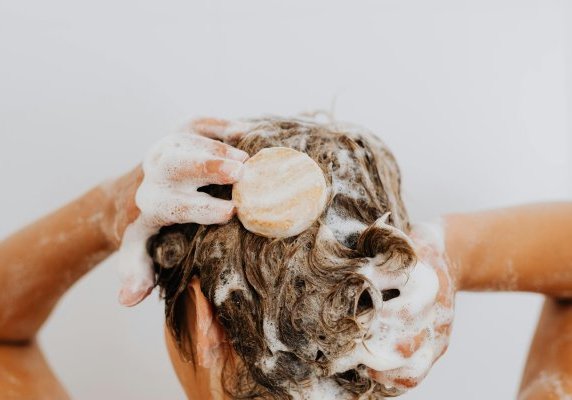
Wash gently – Massage with fingertips, not nails
Rinse thoroughly – Leftover product causes irritation
Moisturize regularly – Use a light hair treatment to prevent scalp dryness
Dry your scalp fully – Sleeping with wet hair encourages fungal growth
Scalp massage – Improves circulation and skin turnover
Protect from UV – Hats or UV sprays help prevent sun-related irritation
Eat balanced meals – Nutrients like zinc and B vitamins support skin health
These habits help reduce recurring dandruff and improve overall scalp condition.
Scalp Care Products You’ll Find in Japan
Japan has excellent, affordable scalp-care options:
- Medicated anti-dandruff shampoos
- Cooling scalp tonics from drugstores
- Amino-acid based daily shampoos
- Intensive salon scalp cleansing treatments
- Moisture-focused hair treatment masks
Many products are designed specifically for humid climates, making them especially effective locally.
Conclusion
Love living in Japan? One Coin English is looking for friendly, passionate people to work part-time as English Conversation Teachers. It’s a flexible way to earn, meet new people, and build experience while enjoying life here. Find out more at https://onecoinenglish.com/hireme/blog

Part-Time English Teaching at OCE
We provide training, observations, and feedback for new teachers. We will help you to become a successful teacher!