Pottery in Tokyo: Studios, Costs, Wheel vs Hand Building Guide
Starting pottery in Tokyo is easier than most people expect. The city of Tokyo has a huge creative hobby scene, including hundreds of ceramic studios offering beginner workshops and long term memberships. Learning pottery in Tokyo is relaxing, tactile, and social. Many people start as complete beginners and quickly find it becomes a weekly creative outlet.
Many beginners discover pottery in Tokyo while looking for hobbies outside work or study. Working with clay offers a break from screens and daily stress. The physical nature of shaping clay can feel grounding and calming. Because of this, pottery in Tokyo is popular among both Japanese residents and international residents who want a creative routine.
Another reason people choose pottery in Tokyo is accessibility. Most studios provide tools, clay, and instruction. You can usually start with a single trial class before committing to a membership or multi class package.

Finding Pottery Studios
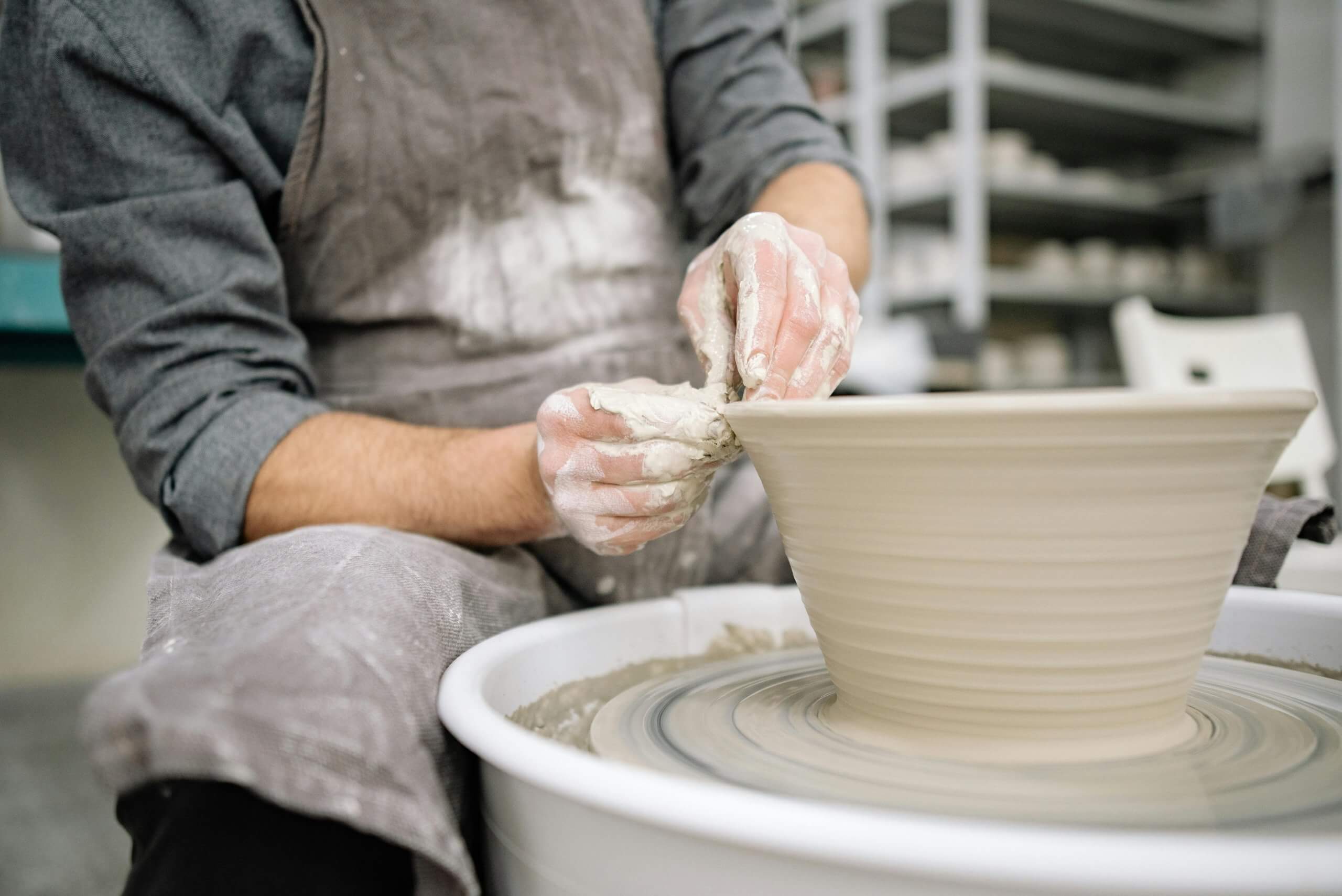
There are many ways to find beginner-friendly pottery in Tokyo classes and studios.
Common search methods include:
- Searching "ceramic studio Tokyo" online
• Looking at community craft centers
• Checking culture schools and hobby schools
• Searching social media or local hobby groups
• Asking local art supply shops for recommendations
Local studios make starting pottery in Tokyo very accessible. Many allow flexible scheduling, which is helpful if you work or study full time. Some studios allow you to attend multiple times per week, while others run structured weekly classes.
When choosing where to learn pottery in Tokyo, consider class size, location, and whether materials are included in the price.

Wheel vs Hand Building
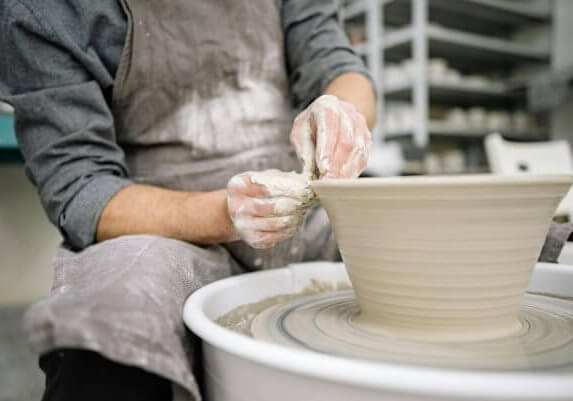
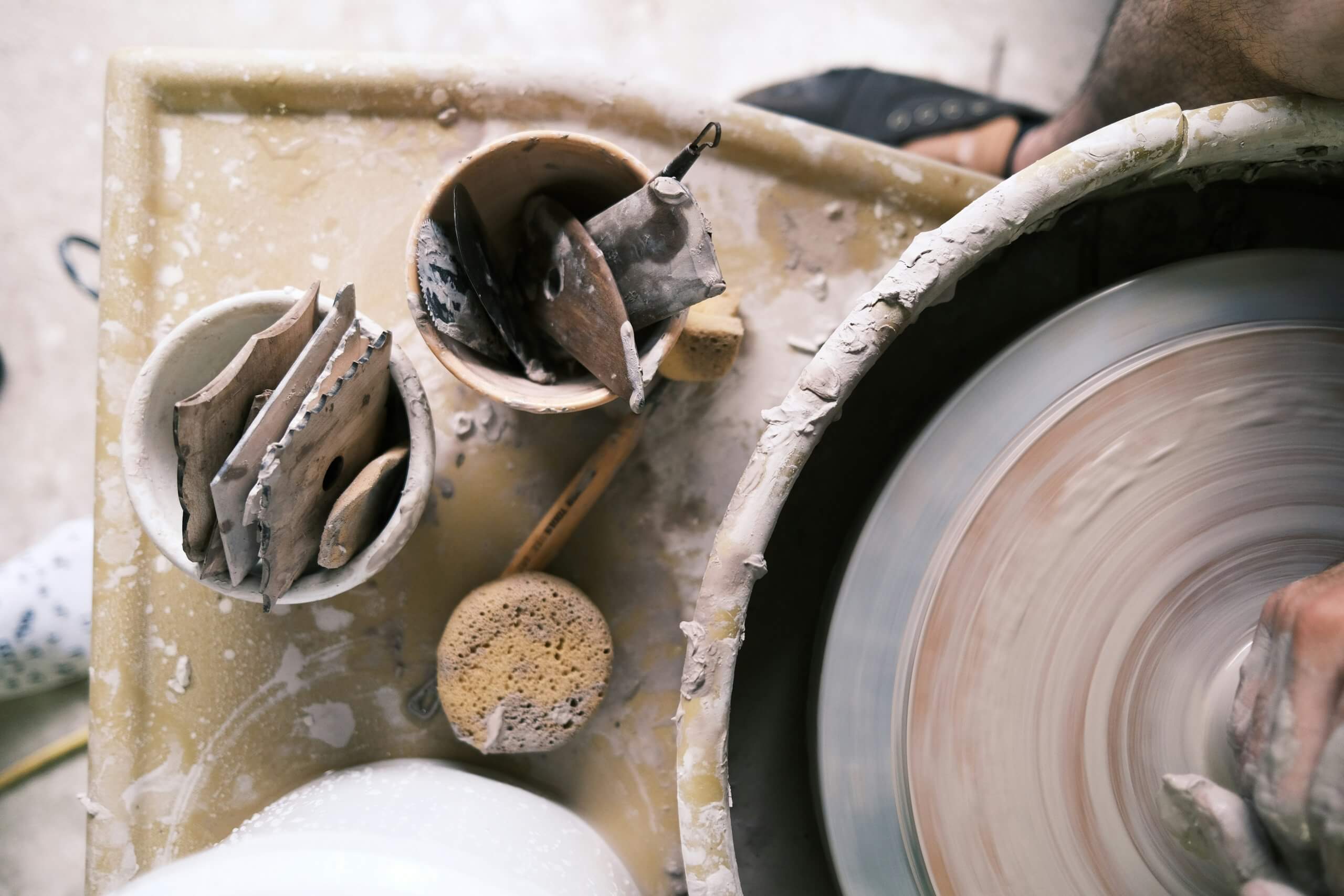
Most pottery in Tokyo classes introduce both wheel throwing and hand building. Beginners often try both before deciding which they prefer.
Wheel throwing
• Used to create symmetrical bowls, cups, and cylinders
• Requires coordination and patience
• Very satisfying once technique improves
Hand building
• Used for plates, mugs, and sculptural pieces
• Easier starting point for beginners
• Allows more creative and organic shapes
Many beginners start with hand building when learning pottery in Tokyo because it helps build understanding of clay texture and moisture before working on the wheel.
Understanding Glazing and Firing Fees
When planning your budget for pottery in Tokyo, it helps to understand how studios structure pricing.
Most studios charge separately for:
- Clay cost
• Studio usage fee
• Kiln firing fee
• Glaze fee, sometimes included
These costs are standard across most pottery in Tokyo studios. Some beginner classes bundle everything together, while memberships usually separate material costs.
Understanding this structure helps you avoid surprises when continuing pottery in Tokyo long term.
Realistic Timelines for Finished Pieces
One thing beginners often do not expect is how long pottery in Tokyo projects take to complete.
Typical timeline:
Day 1: Make the piece
Week 1: Drying period
Week 2: First firing
Week 3: Glazing session
Week 4: Final firing
Finished pottery in Tokyo pieces usually take three to five weeks depending on the studio schedule. Some studios fire kilns less often, which can extend wait time. Some students enjoy the delayed result because it builds anticipation and excitement when picking up finished work.

Typical Costs
Prices for pottery in Tokyo vary depending on studio level, location, and included materials.
Trial class: ¥3,000 ~ ¥6,000
Monthly membership: ¥10,000 ~ ¥20,000
Clay or special glazes may cost extra
Compared to other creative hobbies, pottery in Tokyo is moderately priced, especially if you join a membership and attend regularly. Some studios also offer bulk clay discounts for regular students.
Practicing Pottery Long Term
Many hobbyists continue pottery in Tokyo through:
- Studio memberships
• Renting shared studio work space
• Buying small home wheels
• Selling work at craft markets
• Making personalized gifts
Long term pottery in Tokyo practice often becomes part of a creative lifestyle. Many people continue for years because it combines art, craft skill, and relaxation.
Building Community Through Pottery
Studios often develop strong creative communities. Many pottery in Tokyo studios host exhibitions, seasonal workshops, and group firing events. Participating in these events helps you stay motivated and improve faster.
Community is one of the biggest reasons people continue pottery in Tokyo long term. Meeting other hobby artists makes the learning process more enjoyable and less intimidating.
Living in Tokyo While Pursuing Creative Hobbies
Practicing pottery in Tokyo can become a meaningful part of daily life. Many residents balance creative hobbies with flexible work so they can continue classes long term and stay connected to creative communities.
If you are planning to live in Japan long term and want flexible work that fits around your hobbies, you can learn more at https://onecoinenglish.com/hireme
Many residents also consider working with One Coin English as a part time English Conversation Teacher. Flexible teaching schedules make it easier to attend classes, visit studios, and continue creative hobbies. Many instructors choose this type of work because it allows them to support themselves while still investing time into long term creative interests like pottery in Tokyo.

Part-Time English Teaching at OCE
We provide training, observations, and feedback for new teachers. We will help you to become a successful teacher!