
Pescatarian Food in Japan: Easy Meat-Free Dining Guide
If you’re following a pescatarian lifestyle and planning to live in or visit Japan, you might be wondering how easy it is to find suitable food. The good news is that Japan offers a surprisingly wide range of pescatarian-friendly options thanks to its seafood-rich cuisine and plant-based traditions. However, navigating menus and hidden ingredients can still be a bit tricky at first.
In this guide, we’ll walk you through what it’s like to follow a pescatarian diet in Japan, highlight common dishes, and share tips for finding delicious meatless and meat-free meals with ease.
What Is a Pescatarian Diet in Japan?
A pescatarian diet includes seafood like fish, shellfish, and other marine life, while avoiding meat such as beef, pork, and chicken. In Japan, this aligns well with traditional eating habits, but there’s a catch, as many dishes that appear meat-free may still contain hidden animal-based ingredients.
For example, dashi (a common soup stock) is often made from bonito flakes (dried fish), which is fine for most pescatarian diets but not for vegetarians or vegans. However, some broths may also include meat extracts, so it’s always good to double-check.
Common Pescatarian-Friendly Foods in Japan
Japan offers a variety of dishes that naturally suit a pescatarian lifestyle. Here are some staples you’ll likely enjoy:
1. Sushi and Sashimi
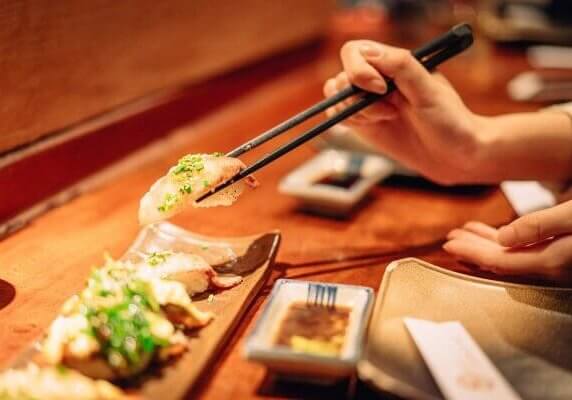
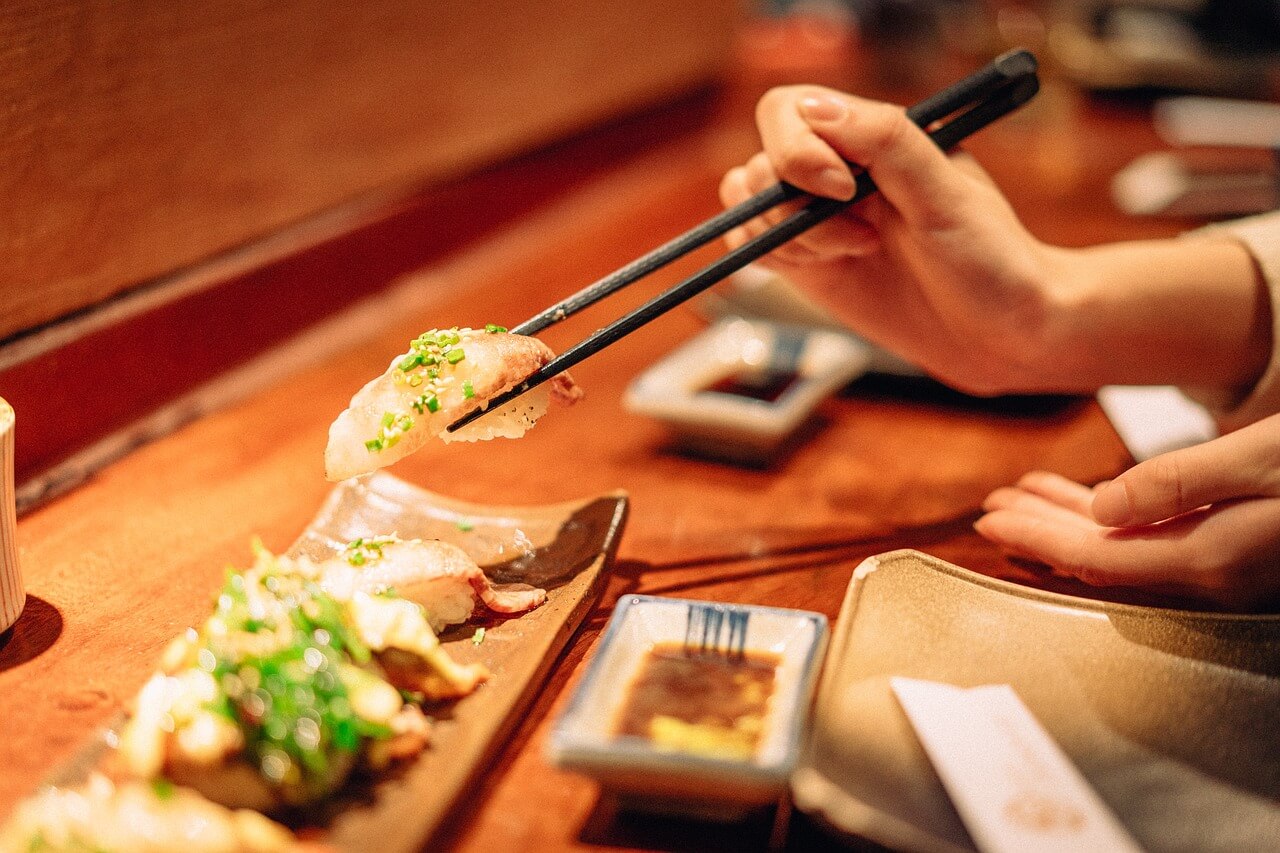
This is the most obvious and accessible option. Sushi and sashimi feature fresh fish and seafood, making them ideal for a pescatarian diet. Popular choices include salmon, tuna, shrimp, and eel.
2. Tempura
Tempura often includes shrimp, white fish, and vegetables lightly battered and fried. Just be sure to confirm that no meat items are mixed in when ordering a set.
3. Onigiri (Rice Balls)
Convenience stores offer onigiri with fillings like tuna mayo, salmon, and kombu (seaweed). These are quick, affordable, and perfect for a meat-free snack.
4. Udon and Soba Noodles
Many noodle dishes use fish-based broth, making them suitable for a pescatarian diet. Look for toppings like tempura shrimp or seaweed instead of meat.
5. Tofu-Based Dishes
Tofu is widely used in Japan and often served in soups, hot pots, or as a side dish. While tofu itself is meatless, always check the broth or sauce.
Hidden Ingredients to Watch Out For
Even when a dish seems meat-free, Japan’s cooking methods can include unexpected ingredients. Here are a few to keep in mind:
- Dashi variations: While often made from fish, some versions include meat extracts.
- Sauces: Soy-based sauces may contain additives derived from meat.
- Rice dishes: Fried rice or mixed rice (takikomi gohan) sometimes includes small bits of meat.
Eating Out as a Pescatarian in Japan
Dining out as a pescatarian is very doable in Japan, especially if you know where to look.
Izakayas (Japanese pubs)
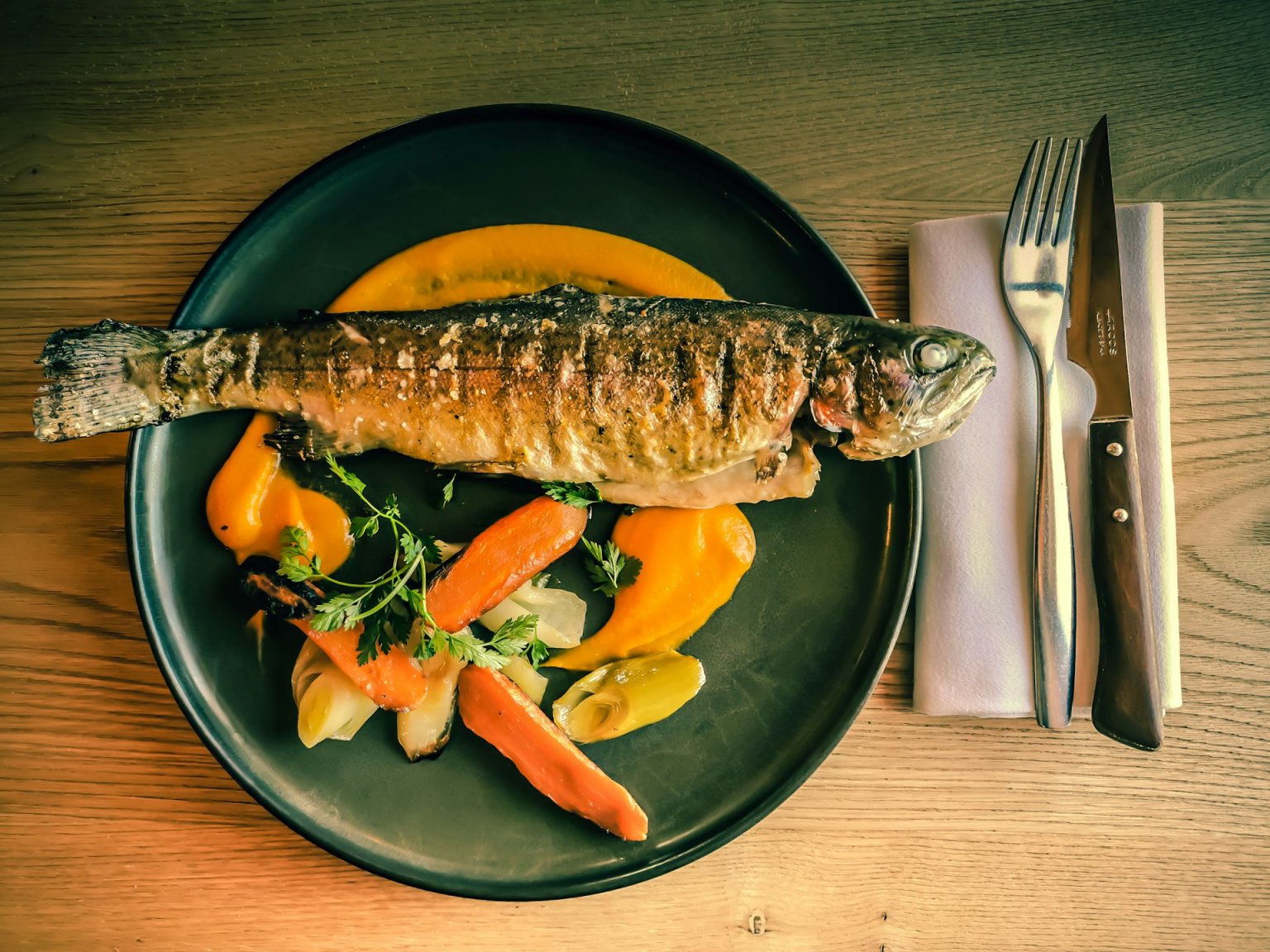
Many izakayas serve seafood dishes such as grilled fish, sashimi platters, and seaweed salads. However, menus can be mixed, so choose carefully.
Conveyor Belt Sushi (Kaitenzushi)
These restaurants are perfect for a casual pescatarian meal. You can visually select plates with seafood or meat-free options.
Buddhist Cuisine (Shojin Ryori)
This traditional cuisine is entirely meatless and often vegan. While it excludes fish, it’s a great option if you want a break from seafood.
Grocery Shopping for Pescatarian Foods
If you prefer cooking at home, Japan’s supermarkets are well-stocked with pescatarian ingredients:
- Fresh and affordable fish
- Tofu, natto, and soy products
- Seaweed and plant-based sides
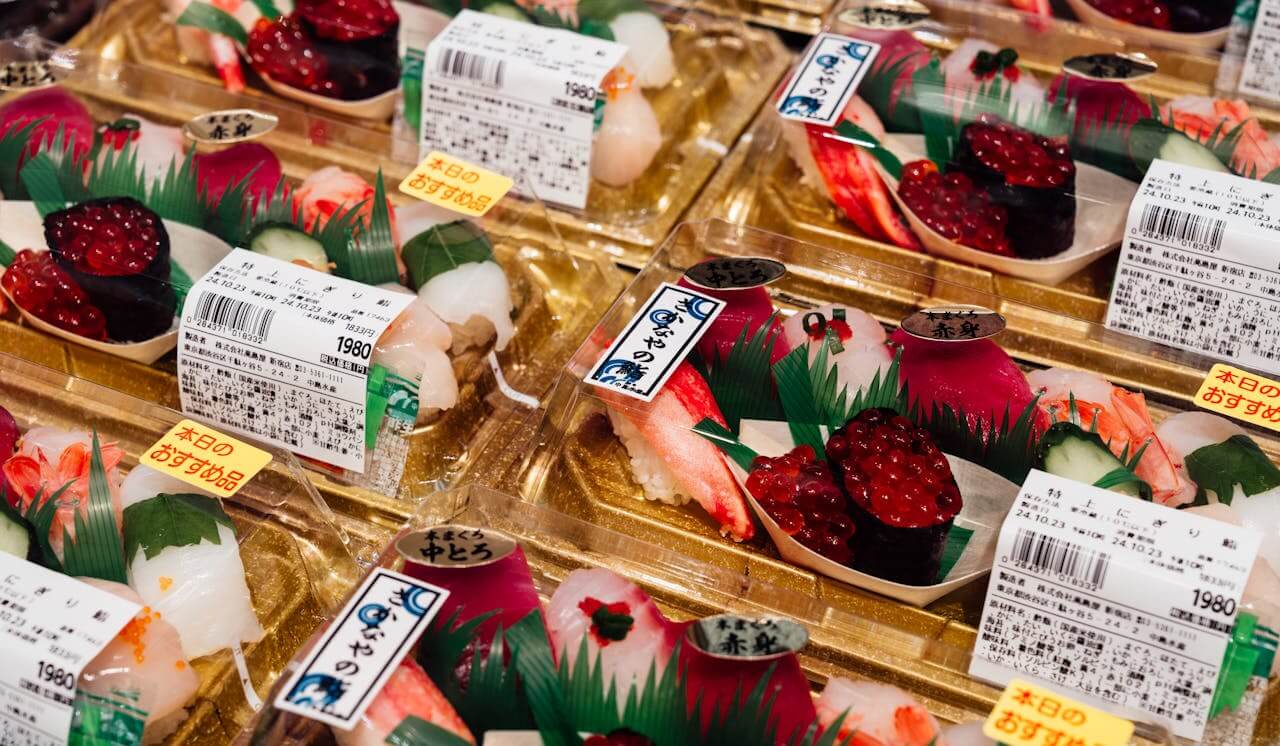
- Ready-made sushi and bento boxes
Tips for Maintaining a Pescatarian Diet in Japan
Sticking to a pescatarian lifestyle in Japan becomes much easier with a few practical strategies:
- Check labels carefully: Even packaged foods can contain hidden meat ingredients.
- Use translation apps: These help you confirm whether dishes are truly meat-free.
- Stick to simple dishes: Meals like grilled fish or plain sushi are usually safe.
- Ask questions: Don’t hesitate to clarify ingredients at restaurants.
Is Japan Pescatarian-Friendly?
Overall, Japan is quite accommodating for a pescatarian diet compared to many other countries. The abundance of fresh fish, rice, and plant-based foods makes it relatively easy to find satisfying meals.
That said, awareness is key. While options are plentiful, understanding how dishes are prepared will help you avoid accidental meat consumption and fully enjoy your experience.
Final Thoughts
Living as a pescatarian in Japan is not only possible but can be incredibly enjoyable. From high-quality sushi to comforting noodle dishes, there’s no shortage of delicious meat-free options to explore. With a little preparation and curiosity, you’ll quickly learn how to navigate menus and discover your favorite spots.
If you’re passionate about cultural exchange and food, why not take your experience a step further? At One Coin English, you can work part-time as an English Conversation Teacher, meet people from around the world, and share your lifestyle and experiences, including your journey as a pescatarian in Japan. Learn more at https://onecoinenglish.com/hireme/blog

Part-Time English Teaching at OCE
We provide training, observations, and feedback for new teachers. We will help you to become a successful teacher!