Ikebana in Japan: Styles, Classes, Tools, and Costs Guide
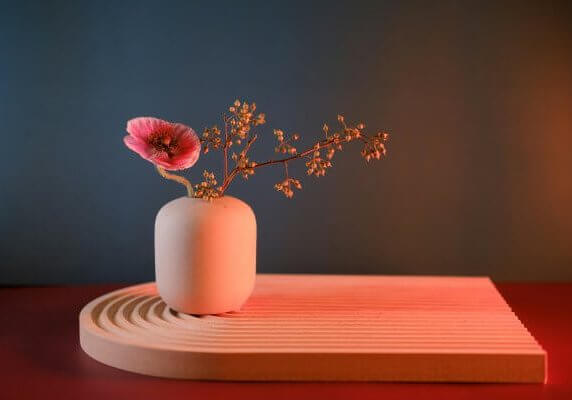
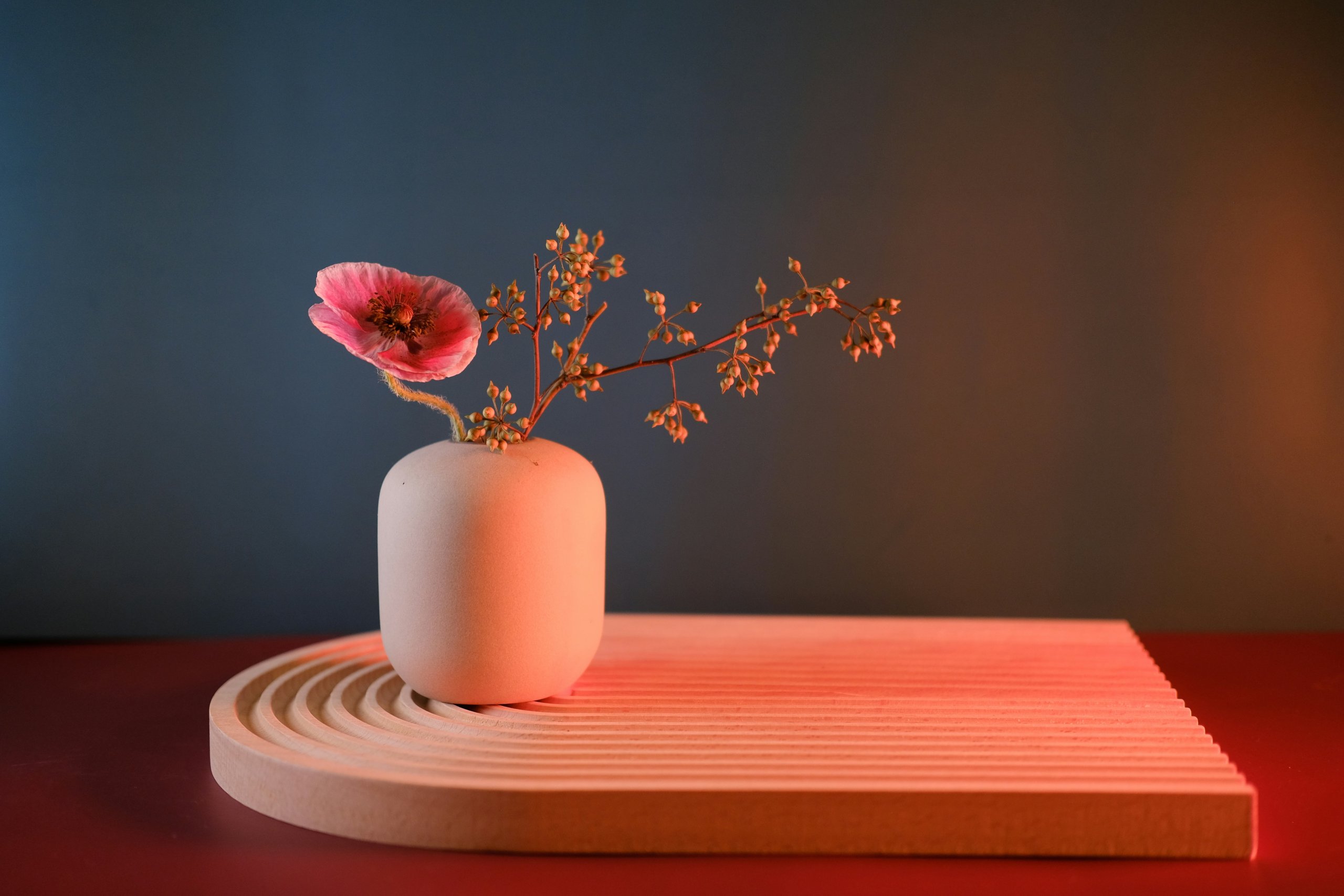
If you’ve ever admired minimalist Japanese flower arrangements, learning Ikebana in Japan can be a deeply calming and creative hobby. Unlike Western flower arrangement styles that focus on fullness and color variety, Ikebana in Japan emphasizes balance, negative space, and the natural movement of stems and branches.
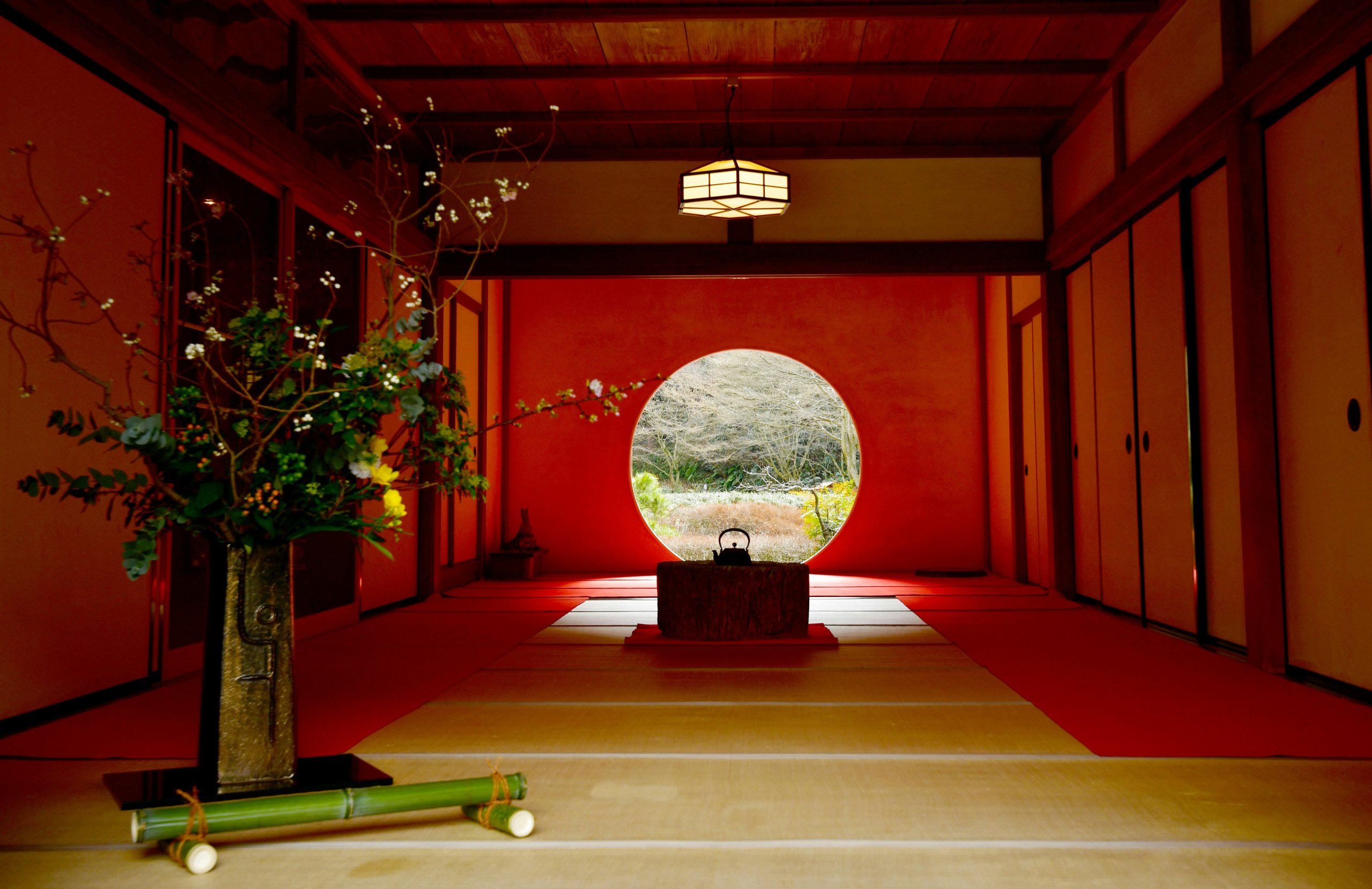
Today, Ikebana in Japan is practiced both traditionally and casually, from formal schools to relaxed community center lessons. Whether you want cultural immersion, artistic expression, or simply a new weekend hobby, starting Ikebana in Japan is surprisingly accessible. Many residents and long-term visitors use it as a way to connect with seasons, nature, and local community culture.
Another reason people are drawn to Ikebana in Japan is its meditative quality. The slow process of cutting stems, adjusting angles, and observing space can feel similar to mindfulness practice. Many students say even one weekly class helps reduce stress and improve focus.
-
Major Ikebana Styles You’ll See
There are many schools, but beginners often encounter three major ones:
Ikenobo – The oldest style, very structured and traditional.
Ohara School – Focuses on landscape-style arrangements.
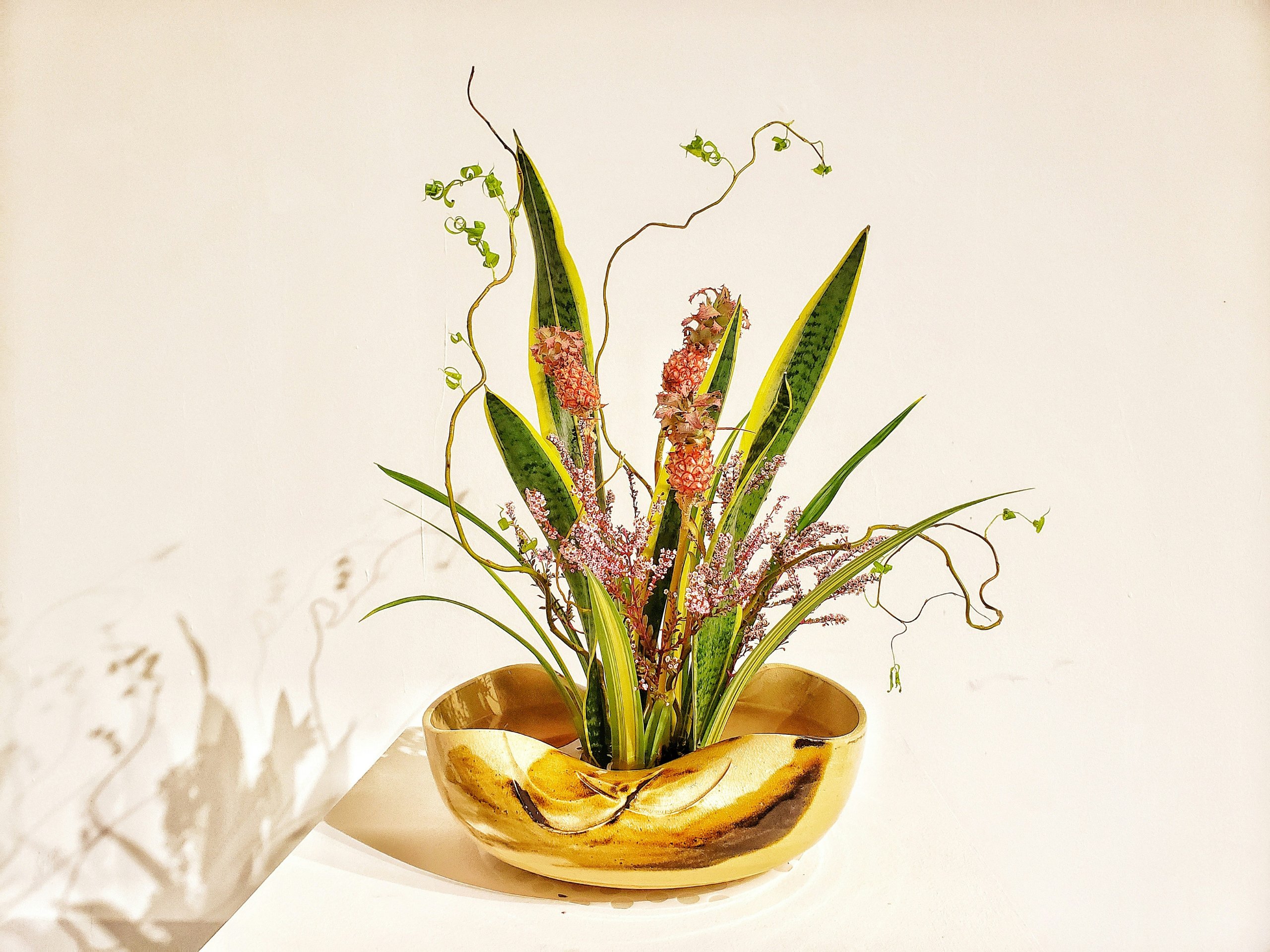
Sogetsu School – Modern, creative, beginner-friendly.Many foreigners start Ikebana in Japan through Sogetsu-style classes because creativity is encouraged early, and strict traditional rules are introduced more gradually.
How to Find Beginner-Friendly Classes
Good places to search:
- Community centers (区民センター / 市民センター)
• Cultural schools (カルチャースクール)
• Local flower shops offering workshops
• Meetup or local Facebook groups
Community center classes are often the most affordable way to try Ikebana in Japan without committing long-term. If you want structured certification or teacher licensing later, formal schools are better.
If you live in a big city like Tokyo or Osaka, you can usually find English-friendly Ikebana in Japan classes, especially in international districts.
Tools and Flowers You’ll Need
Basic starter tools include:
Kenzan – Metal pin frog that holds stems upright
Flower scissors – Designed for thick stems
Low container (suiban bowl style)Seasonal flowers are strongly preferred. Popular beginner materials include:
- Chrysanthemum
• Camellia
• Plum blossom (winter)
• Cherry blossom branches (spring)
Using seasonal materials is a core philosophy in Ikebana in Japan, reflecting nature’s cycle and impermanence.
Many students eventually build a small home toolkit once they commit to regular Ikebana in Japan practice.
- Community centers (区民センター / 市民センター)
-
Typical Lesson Etiquette
Expect:
- Arrive early
• Bring a notebook and small towel
• Clean your workspace after class
• Observe demonstrations carefully before starting
Teachers usually demonstrate first, and students recreate the arrangement. Silence during demonstrations is normal in Ikebana in Japan classrooms and is considered respectful.
It’s also common to take photos of your finished work for review later.
Typical Costs
Community centers: ¥1,500 ~ ¥3,000 per class
Cultural schools: ¥3,000 ~ ¥6,000 per class
Formal schools: Monthly membership + materialsSome classes combine flowers into the fee. Others require purchasing weekly materials separately for Ikebana in Japan lessons.
Compared to other art hobbies, entry costs for Ikebana in Japan are relatively low, especially if you use seasonal supermarket flowers for practice.
How to Practice Ikebana at Home
If you want to improve faster, home practice helps a lot.
Try:
- One branch + one flower + one leaf composition
• Photograph arrangements weekly
• Follow seasonal flower calendars
• Visit flower markets for inspiration
Even 20~30 minutes weekly can improve your sense of proportion and space in Ikebana in Japan arrangements.
Some learners also sketch arrangements before building them to visualize balance.
- Arrive early
Continuing Long-Term Through Community
Many people continue Ikebana in Japan through:
- Exhibition volunteering
• Seasonal workshops
• Assistant teaching roles
• Cultural festival demonstrations
Joining a community makes Ikebana in Japan feel less like a class and more like a cultural lifestyle.
Living in Japan While Pursuing Cultural Hobbies
Learning Ikebana in Japan is more than arranging flowers, it’s mindfulness, seasonality, and artistic observation combined. Many residents balance cultural hobbies with flexible part-time work so they can continue learning long term.
If you’re building a life in Japan while exploring cultural activities, you can learn more about work opportunities at https://onecoinenglish.com/hireme
You can also consider working with One Coin English as a part-time English Conversation Teacher. Flexible teaching schedules make it easier to continue hobbies like Ikebana in Japan, while gaining teaching experience and stable income.

Part-Time English Teaching at OCE
We provide training, observations, and feedback for new teachers. We will help you to become a successful teacher!