
A Complete Guide to Gyms in Tokyo: Etiquette, Types & Joining Tips
Thinking of going to a gym in Tokyo? Navigating something as routine as going to the gym can feel surprisingly intimidating in a foreign country. Whether you’re chasing gains, love a good Pilates session, or are just starting your fitness journey, this guide will walk you through what to expect and give you a glimpse into Japanese gym culture.
Types of Gyms in Japan
From budget-friendly community centers to sleek 24-hour fitness chains, Japan offers a variety of options to match your lifestyle, goals, and budget. Here’s a breakdown of the most common types of fitness centers you’ll come across.
24-Hour Chain Gyms
Chains like Anytime Fitness, Joyfit 24, and ChocoZAP are found throughout cities and rural areas, making them easy to access no matter where you are.
Most offer the essentials: cardio machines, weight training equipment, and basic amenities like lockers and showers. Some, like Anytime Fitness, even allow international members to use branches in other countries, perfect if you’re traveling in another city for a day or two and want to squeeze in a workout!
ChocoZAP is much more of a bare-bones fitness center, with popular weight machines, but they also offer other services like laundry and even karaoke! If you are looking for a gym that is more well-equipped, Anytime Fitness or Joyfit may be more suited to your needs.
Pros: Open 24/7, flexible membership options, widespread availability
Cons: Limited staff support, fewer amenities or classes
Typical cost: ¥6,000 ~ ¥10,000 per month
Public Fitness Centers
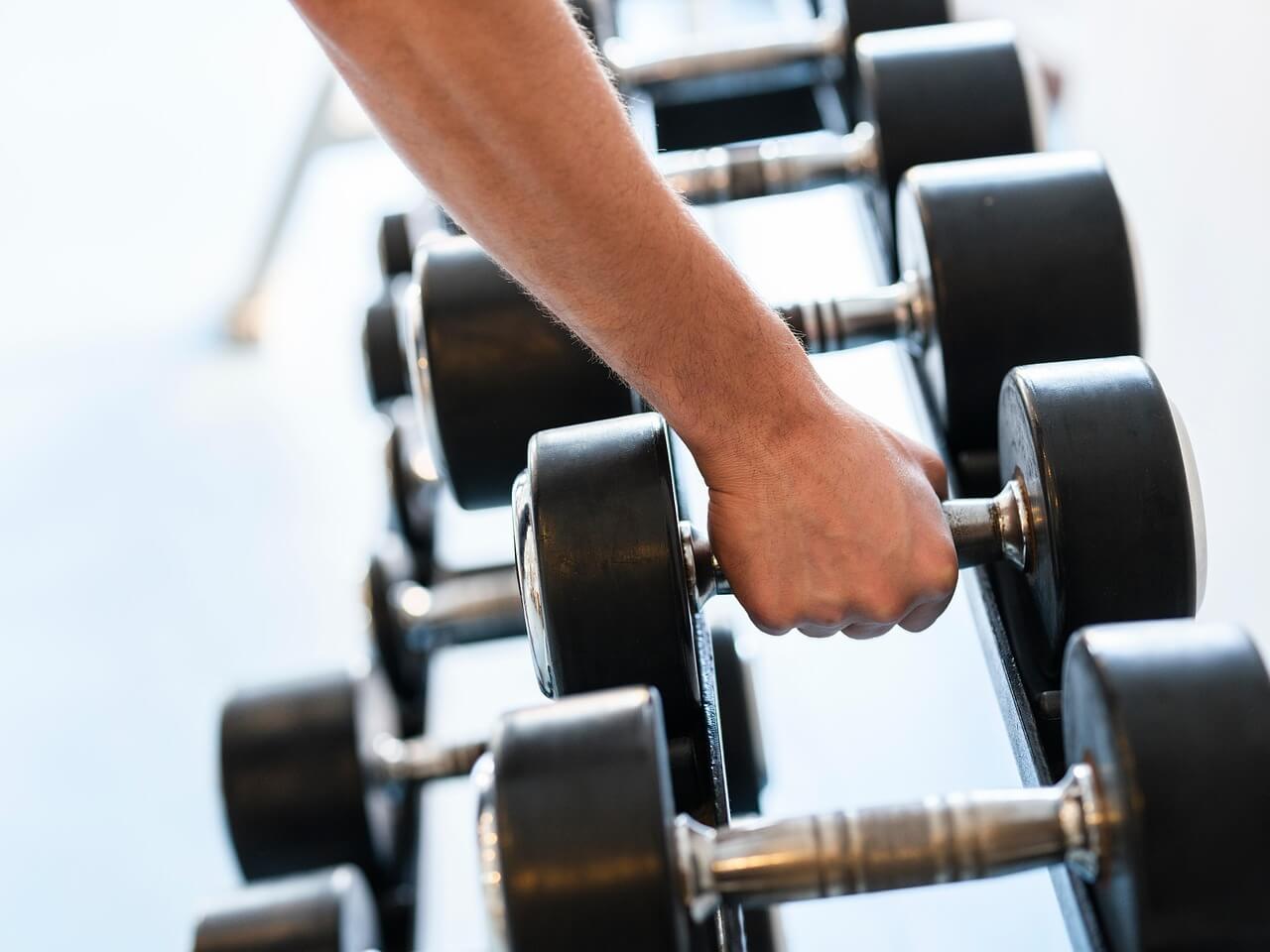
If you’re on a budget, public fitness centers operated by the local ward or city office are your best bet. These are no-frills spaces that get the job done without the hefty price tag. While the equipment may be older, you’ll typically find everything from treadmills and weights to pools and martial arts rooms. You can usually just walk in and pay per visit, which is perfect if you’re not looking to commit long term.
Pros: Very affordable, pay-as-you-go options
Cons: Minimal English support, basic equipment
Typical cost: ¥400 ~ ¥800 per visit
Full-Service or Premium Gyms
For those who like a bit more luxury with their lunges, premium Japanese gyms like Gold’s Gym, Tipness, and Renaissance offer top-tier facilities. Think weight rooms, swimming pools, group fitness classes, saunas, and even smoothie bars.
Gold’s Gym is especially popular with serious lifters and often includes advanced equipment not found in smaller chains.
Pros: Wide range of equipment and classes, upscale amenities
Cons: More expensive, longer contracts
Typical cost: ¥10,000 ~ ¥15,000 per month
Yoga and Pilates Studios
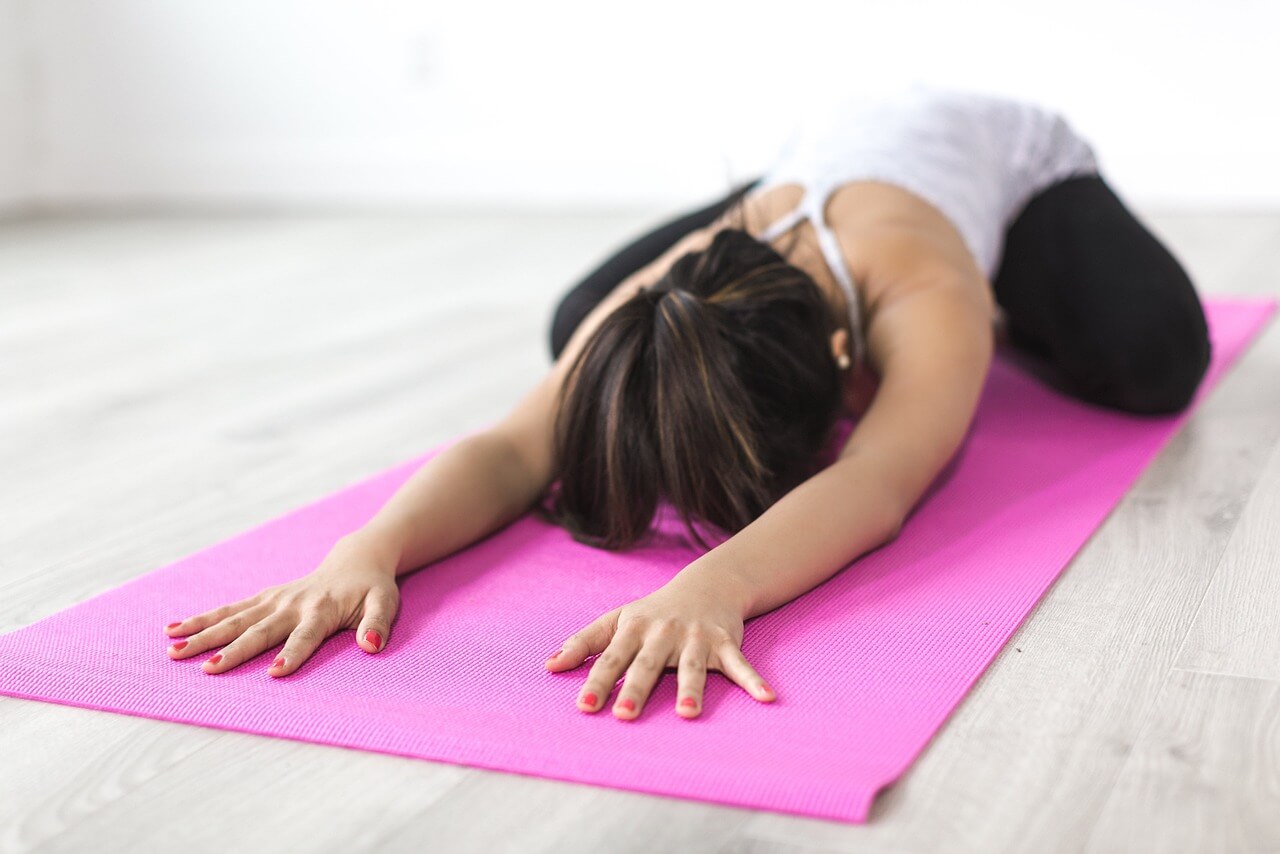
If your wellbeing routine leans more toward mindful movement, Japan has no shortage of yoga and Pilates studios. Chains like LAVA and Zen Place offer everything from hot yoga to reformer Pilates, often in calming, spa-like environments. Studios tend to cater more to women, and many offer female-only classes. In larger cities like Tokyo, you’ll find facilities with English-speaking instructors.
Pros: Calming atmosphere, class variety, often female-friendly
Cons: May require reservations, prices can add up
Typical cost: ¥2,000 ~ ¥3,500 per class or ¥8,000 ~ ¥15,000 per month
How to Join a Japanese Gym
Joining a Japanese gym isn’t too complicated, but the process can vary slightly depending on the type of gym. Some offer walk-in sign-ups, while others utilise online applications or scheduled orientations, especially if they provide personal training or guided classes.
Here’s what you’ll typically need to sign up:
- Photo ID – Your residence card or passport will usually do.
- Japanese address and phone number – Most gyms require a local contact.
- Bank account or credit card – Monthly fees are usually auto-deducted. Some gyms accept international cards, but not all.
You’ll likely fill out a form (typically in Japanese), and some gyms may walk you through the rules or give you a short orientation. Contract terms can vary; some gyms offer monthly plans, while others require a 6~12 month commitment. Cancellation fees may apply, so read the fine print.
Make sure to look out for seasonal sign-up promotions. April and January are especially popular times when gyms may offer free trials or discounted rates.
Gym Etiquette in Japan
Japanese gyms value cleanliness, consideration, and quiet. Following the rules, both spoken and unspoken, will help you fit in and avoid awkward situations. Here's what to know:
- Bring Indoor Shoes
Outdoor shoes are a no-go. Bring a clean pair of sneakers just for the gym and swap them at the entrance. - Wipe Down Equipment
Always use the towels or spray provided to clean machines and mats after use. It’s a common courtesy, and sometimes even reminded over the speakers. - Cover Tattoos
Tattoos are still taboo in many public spaces. If you have visible ones, it’s best to cover them with sleeves or tape, especially at more traditional gyms.
.
A little courtesy goes a long way, and saves you from awkward interactions.
Helpful Tips for Getting Started
- Check tattoo policies ahead of time – Rules vary, so it’s best to ask or check online.
- Look for English-friendly gyms – Anytime Fitness and similar chains often have English signage and bilingual support.
- Try a trial pass first – Many gyms offer one-day or one-week trials. Great for testing the vibe and equipment before committing.
Final Thoughts
While things may work a little differently here, knowing what to expect with memberships, etiquette, and gym types will help you walk into a gym in Tokyo with confidence. Try a trial pass, explore your options, and don’t worry if your Japanese isn’t perfect, staff are usually kind and willing to help.
Support Your Fitness and Career Goals
If you're looking for flexible part-time work that fits your active lifestyle, why not consider teaching with One Coin English? Many of our teachers balance their fitness center time with their classroom time! Learn more about becoming an English Conversation Teacher at https://onecoinenglish.com/hireme/.

Part-Time English Teacher Job
We provide training, observations, and feedback for new teachers. We will help you thrive in the classroom!