How to Prepare for an Earthquake in Japan : Complete Guide
Living in Japan Means Being Ready for Earthquakes
If you’ve moved to Japan, you’ve probably already experienced your phone buzzing with an emergency alert or felt a slight shake in your apartment. Earthquakes are a natural part of life here, but that doesn’t mean they aren’t intimidating, especially for newcomers. Learning proper earthquake preparation helps you feel safer and more confident in your daily life.
Japan is one of the most seismically active countries in the world, sitting on the boundary of four major tectonic plates. The country experiences thousands of small tremors each year, and while most are harmless, larger quakes, like the 2011 Tōhoku earthquake, can cause massive damage.
Essential Supplies for Earthquake Preparation
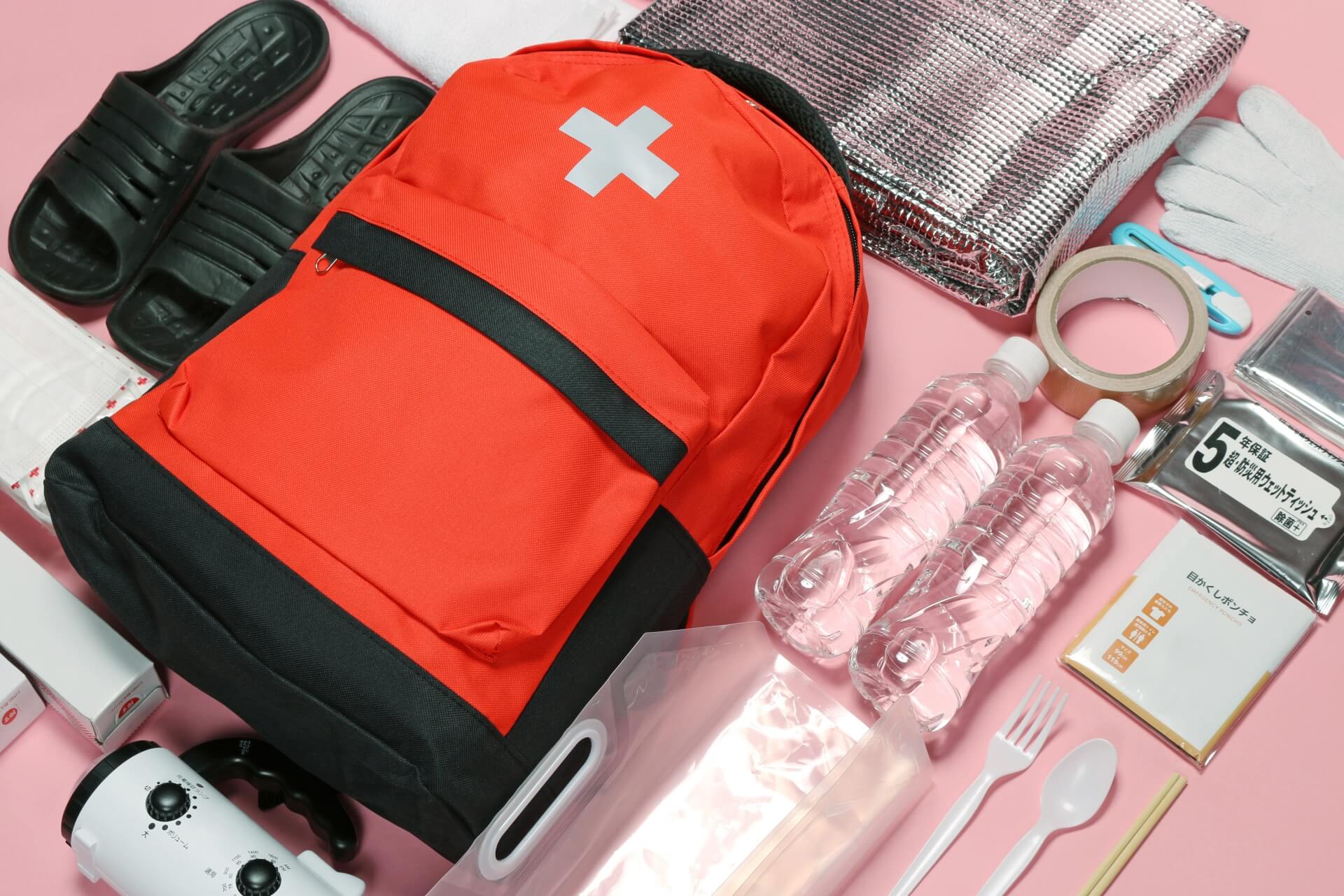
When it comes to earthquake preparation, it is ideal to be self-sufficient for at least three days. After a major natural disaster, electricity, water, and gas may be cut off, and supermarkets could close. Here’s what is recommended to have on hand:
Food and Water
- 3 liters of water per person per day (for drinking and hygiene)
- Canned goods, instant rice, nuts, or energy bars
- Manual can opener and disposable plates
Daily Necessities
- Wet wipes and tissues
- First aid kit and any prescription medicine
- Flashlight, batteries, and portable chargers
- Blankets and warm clothes
Emergency Tools
- Battery-powered radio (to get updates if Wi-Fi or data goes down)
- Copies of important documents and emergency contact numbers
- Whistle or light stick to signal for help
Keep these in an accessible backpack, so you can grab it quickly during evacuation.
What to Do During a Big Earthquake
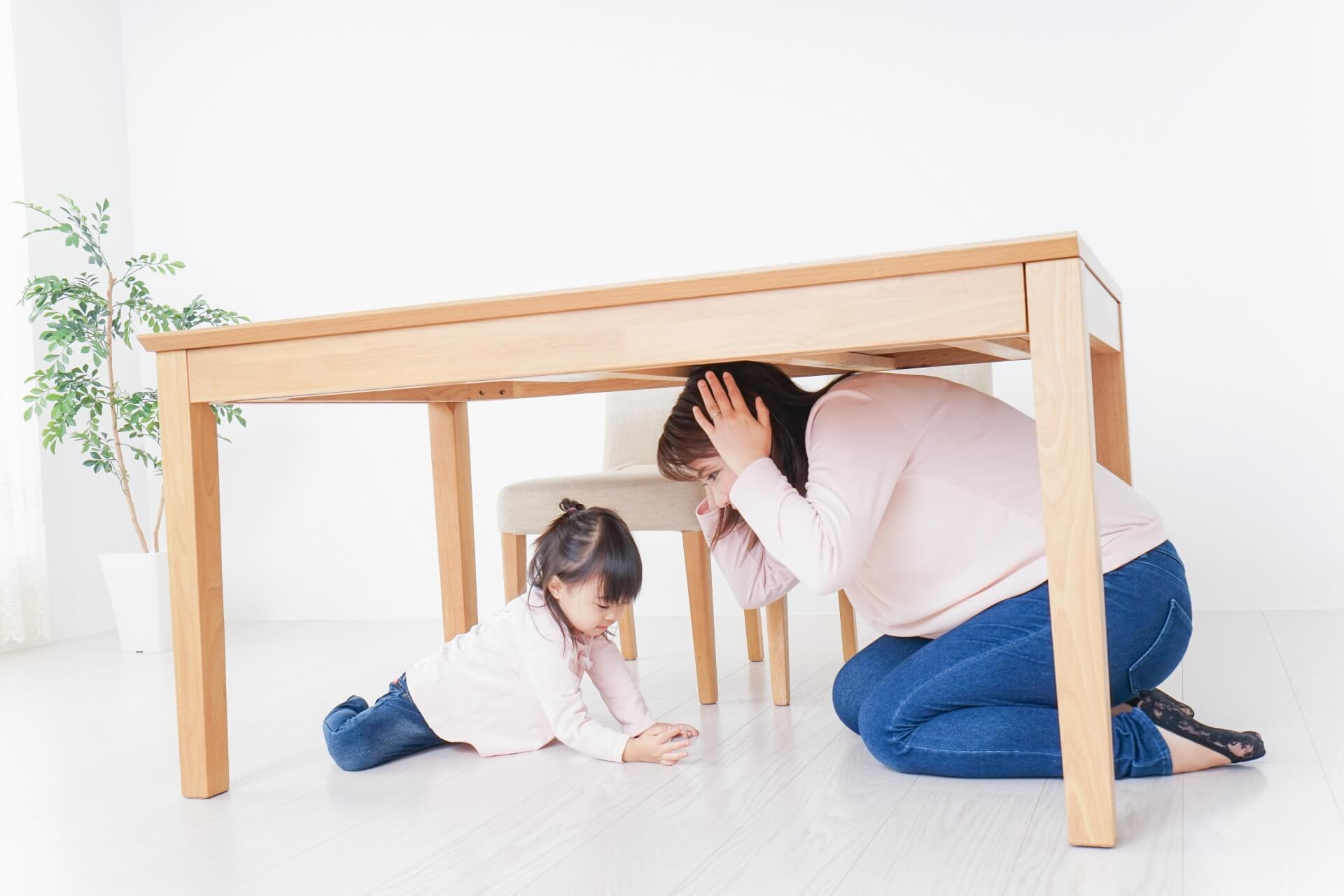
When a quake hits, remember Drop, Cover, Hold On:
- Drop to the ground before you’re knocked down.
- Cover your head and neck under sturdy furniture, like a table.
- Hold on until the shaking stops.
Avoid running outside, as falling debris and glass are common dangers. If you’re in bed, stay there and cover your head with a pillow.
If you’re outdoors, move away from power lines and buildings. If you’re on a train, hold on tightly and follow staff instructions.
Once the shaking stops, turn off gas sources if safe to do so, and check for fire. Always expect aftershocks.
Useful Apps and Websites for Earthquake Alerts
Technology can be your best friend in a natural disaster. Japan offers several free, multilingual apps designed for safety and earthquake preparation:
- Yurekuru Call: Sends real-time earthquake alerts before shaking begins.
- Safety Tips (Japan Tourism Agency): Offers multilingual alerts for earthquakes, tsunamis, and other emergencies.
- NHK World Japan: Reliable English-language updates and breaking news.
- Japan Shelter Guide: Lists nearby evacuation shelters with map access.
You should also bookmark the Japan Meteorological Agency (JMA) website, which lists recent quakes with their magnitude, depth, and region.
Also, learn how to enable Emergency Alerts on your phone. iPhones and Androids in Japan automatically receive them if your region is set correctly.

Understanding the Nankai Trough
You’ve probably heard of the Nankai Trough, a deep underwater trench stretching from central to southwestern Japan. Experts warn that a massive magnitude 8 or 9 earthquake could occur here in the next few decades.
The Nankai Trough forms where the Philippine Sea Plate is slowly slipping beneath the Eurasian Plate. Over centuries, this movement builds enormous pressure. When it releases, the results could be catastrophic, especially along the Pacific coast.
The Japanese government predicts that a Nankai Trough earthquake could cause severe shaking across Osaka, Shikoku, and Kyushu, followed by large tsunamis. As frightening as that sounds, constant monitoring and public preparedness drills mean people in Japan are better equipped than ever before.
By staying aware, preparing supplies, and knowing your evacuation route, you can dramatically reduce your risk.
Staying Calm and Connected
After a big quake, phone lines often become overloaded. Use messaging apps like LINE or Twitter (X) to check on loved ones instead of calling. Local city offices will open emergency shelters, follow official announcements for updates.
Foreign residents can also access multilingual disaster info from:
- Tokyo Metropolitan Government’s Disaster Prevention Info
- NHK World Safety Updates
Final Thoughts: Prepare Today, Stay Safe Tomorrow
Living in Japan comes with incredible opportunities—and some unique challenges. Earthquakes are one of them, but with proper earthquake preparation, you can face them confidently. Stock up on essentials, keep emergency apps on your phone, and talk with your friends or coworkers about what to do when the next big shake comes.
And if you’re looking for a way to build confidence, communication skills, and connections in Japan, why not apply to One Coin English? Working as an English Conversation Teacher is a great way to earn part-time income and meet new people. Find out more at https://onecoinenglish.com/hireme/blog

Part-Time English Teaching at OCE
We provide training, observations, and feedback for new teachers. We will help you to become a successful teacher!