Humidity in Japan: How to Stay Comfortable Year Round
One of the biggest surprises for people moving to Japan is not the heat, but the humidity. Even when temperatures seem manageable, the air often feels heavy, sticky, and draining. This is especially true during Japanese summer, when moisture levels remain high both indoors and outdoors.
Understanding how humidity works in Japan, when it is at its worst, and how to manage it in daily life can greatly improve comfort, sleep quality, and overall health. This guide explains why Humid Japan feels so intense and what you can do to cope effectively.
Why humidity in Japan feels overwhelming
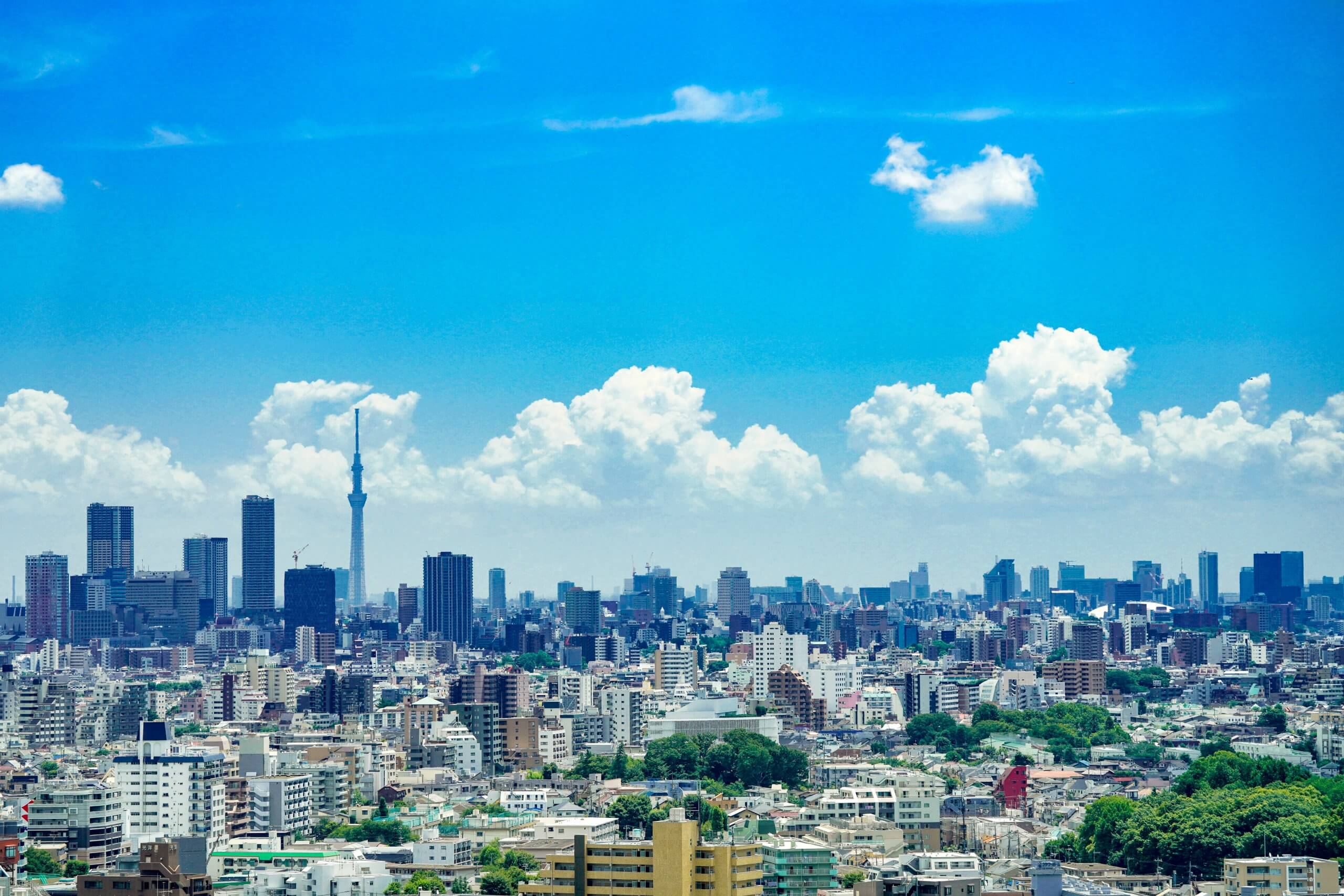
Japan’s climate is strongly influenced by the surrounding ocean and seasonal weather patterns. During Japanese summer, warm air holds large amounts of moisture, creating consistently humid conditions.
Unlike dry climates where sweat evaporates quickly, humidity prevents the body from cooling efficiently. This makes everyday activities feel more tiring and causes even short walks to feel exhausting. For many people, adapting to humid Japan takes time.
When humidity is highest in Japan
The worst humidity in Japan typically occurs from June through September. June and July are especially uncomfortable due to lingering moisture from the rainy season, while August combines high heat with thick, humid air.
Early mornings and late evenings can feel particularly oppressive, as moisture becomes trapped overnight. Many people expect nights to be cooler, but during Japanese summer, humidity often makes sleeping difficult without proper ventilation.
How humidity affects daily life
High humidity impacts more than physical comfort. It can reduce energy levels, disturb sleep, and affect concentration. Clothes may feel damp even when freshly washed, and indoor spaces can develop unpleasant odors if moisture is not controlled.
In humid Japan, mold growth is a common issue in apartments, especially in closets, bathrooms, and kitchens. Managing humidity indoors becomes just as important as coping with outdoor conditions.
Best fabrics to wear in humid Japan
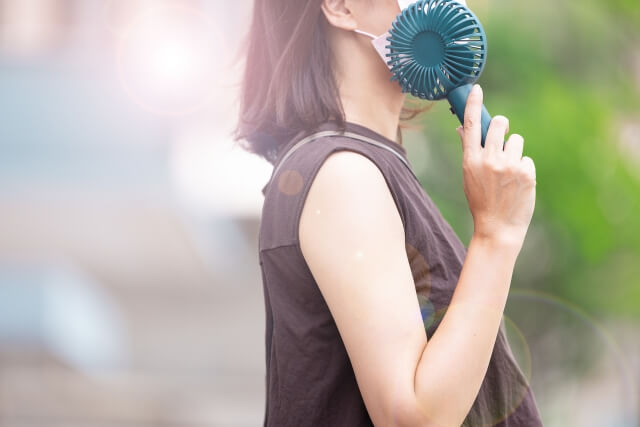
Clothing choices make a noticeable difference when dealing with humidity. Breathable fabrics allow air circulation and help sweat evaporate more efficiently. Lightweight cotton, linen, and moisture wicking materials are commonly worn during Japanese summer.
Tight fitting clothes and synthetic fabrics often trap heat and moisture, making humid conditions feel worse. Many people in Japan choose loose silhouettes specifically designed to stay comfortable in humid Japan.
Managing humidity inside your home
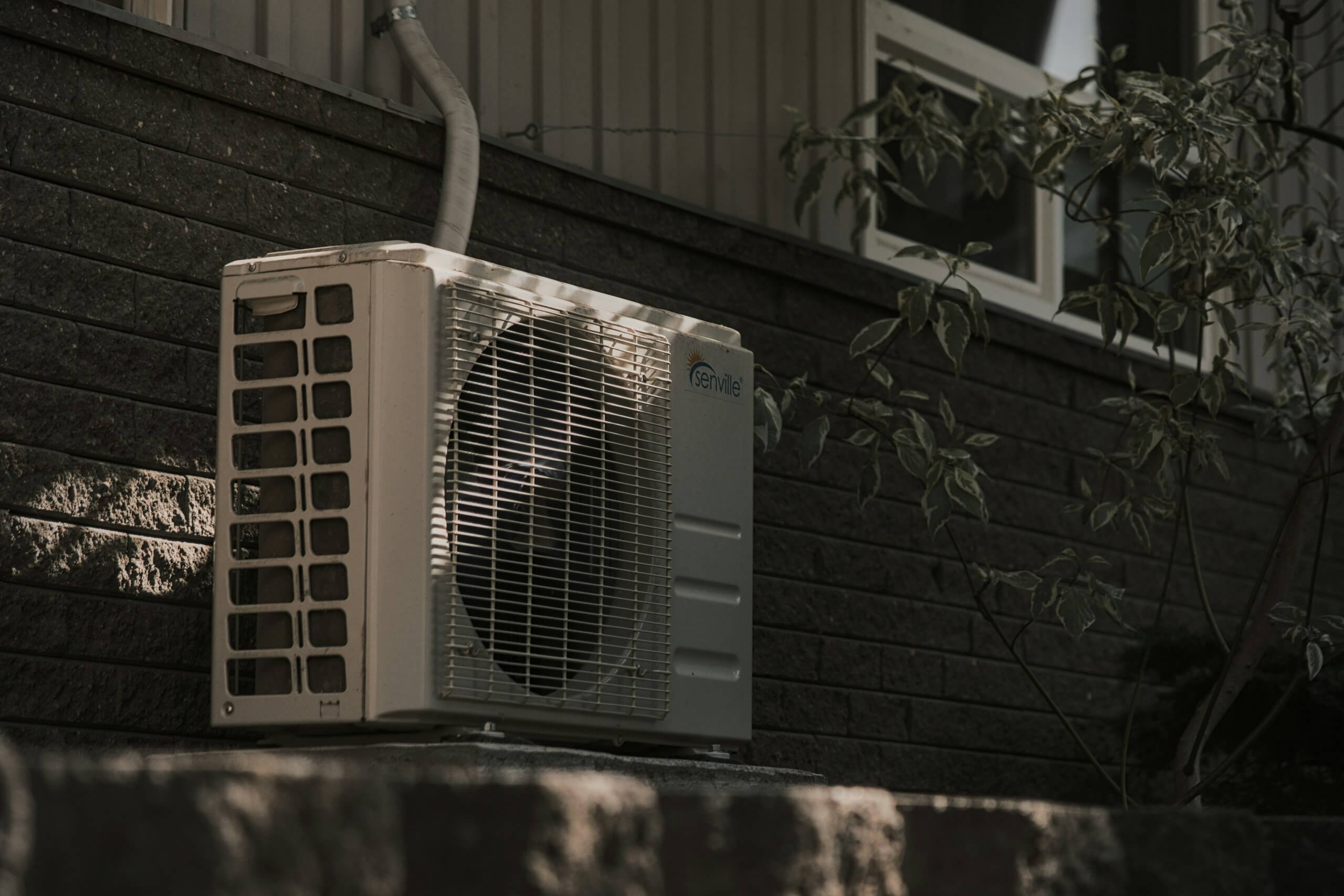
Indoor humidity control is essential for comfort and health. Air conditioners in Japan often include dehumidifier settings, which help remove excess moisture from the air without extreme cooling.
Dehumidifiers are widely used, especially in small apartments. Moisture absorbing products placed in closets and storage areas are also common. Regular ventilation, even for short periods, helps prevent stale air buildup during Japanese summer.
Sleeping well in humid conditions
Sleep is one of the first things affected by humidity. Warm, moist air can make it difficult to fall asleep and stay asleep. Many people wake up feeling tired even after a full night’s rest.
Using breathable bedding, lightweight blankets, and proper airflow can significantly improve sleep quality. Some people find that running air conditioning in dehumidifier mode overnight is more comfortable than strong cooling in humid Japan.
Timing your day around humidity
Planning daily activities around humidity levels can reduce fatigue. Midday is usually the hottest time, while mornings and evenings often feel heavier due to trapped moisture.
Many residents adjust schedules during Japanese summer, choosing to shop, exercise, or commute during times when humid conditions are slightly less intense. Small adjustments like this help conserve energy.
Common mistakes people make with humidity
A common mistake is focusing only on temperature and ignoring humidity. Even moderate temperatures can feel exhausting when moisture levels are high.
Another mistake is failing to ventilate living spaces. Keeping windows closed all day during Japanese summer can trap moisture and worsen indoor humidity, leading to discomfort and mold issues.
Final thoughts
Living with humidity in Japan requires awareness and adaptation, but it is manageable with the right habits. Understanding humid Japan, choosing suitable clothing, controlling indoor air, and adjusting daily routines can greatly improve comfort during Japanese summer.
If you are living in Japan and want flexible work that fits around seasonal challenges like humidity, consider working part time with One Coin English as an English Conversation Teacher. Teaching offers stable indoor work and adaptable schedules. You can learn more by visiting https://onecoinenglish.com/hireme/blog

Part-Time English Teaching at OCE
We provide training, observations, and feedback for new teachers. We will help you to become a successful teacher!