Summer Heat in Japan: How to Avoid Natsubate
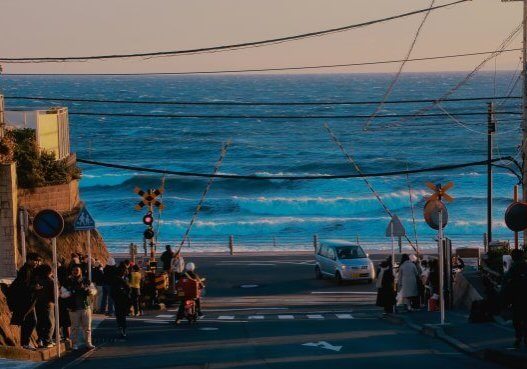
The summer heat in Japan is intense, persistent, and often surprising for people experiencing it for the first time. High temperatures combined with extreme humidity make daily life physically exhausting, even for those used to warm climates. Many newcomers find that summer in Japan feels far more draining than expected.
This exhaustion is commonly known as natsubate, a seasonal condition caused by prolonged exposure to heat and humid environments. Understanding how to manage the summer heat, recognize early signs of natsubate, and adjust daily routines can make a significant difference in comfort and health.
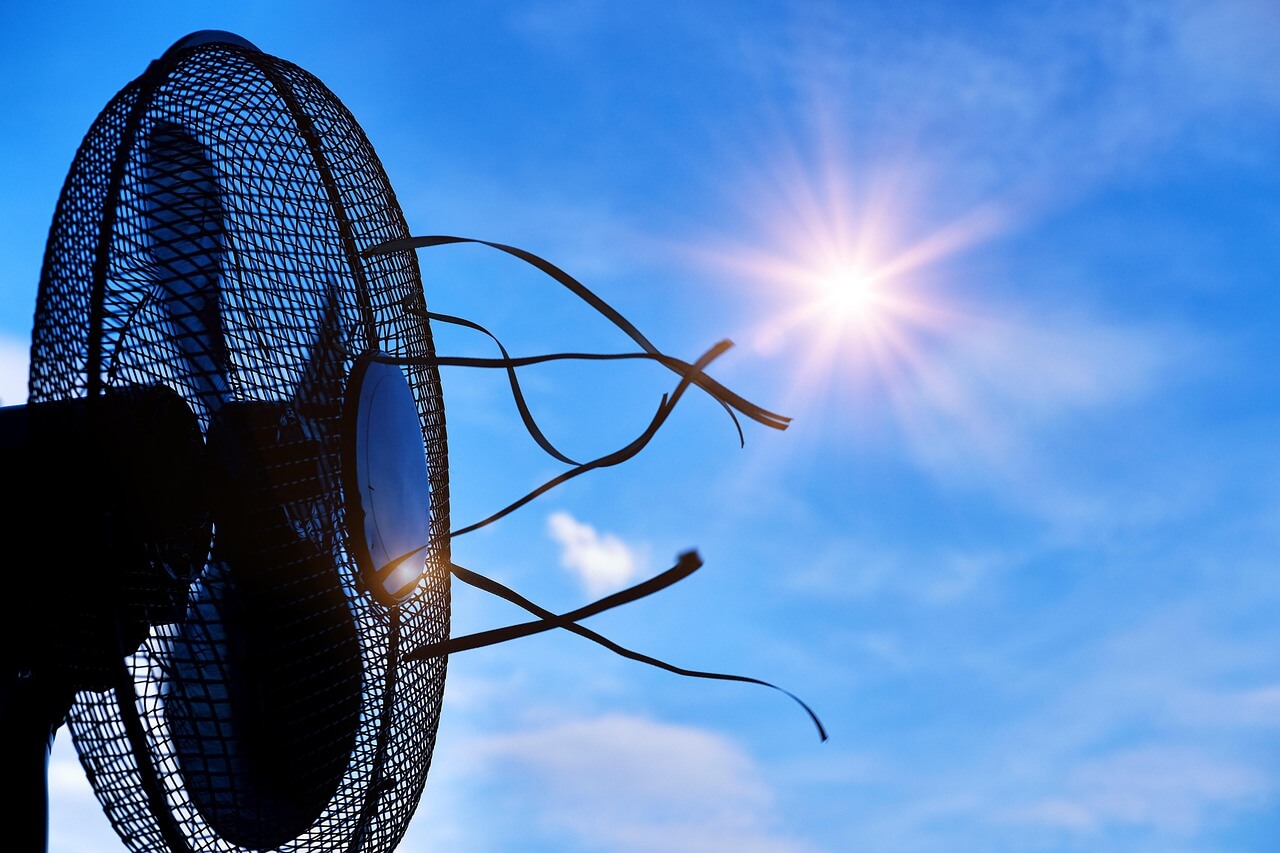
What is natsubate?
Natsubate refers to physical and mental fatigue caused by continuous exposure to summer heat. Symptoms include low energy, dizziness, appetite loss, trouble sleeping, and excessive sweat. While not a medical condition, it is widely recognized in Japan and affects people of all ages.
The combination of humid air and high temperatures prevents the body from cooling effectively. Sweat does not evaporate easily, which makes the summer heat feel heavier and more suffocating than dry heat.
Why summer heat in Japan feels so intense
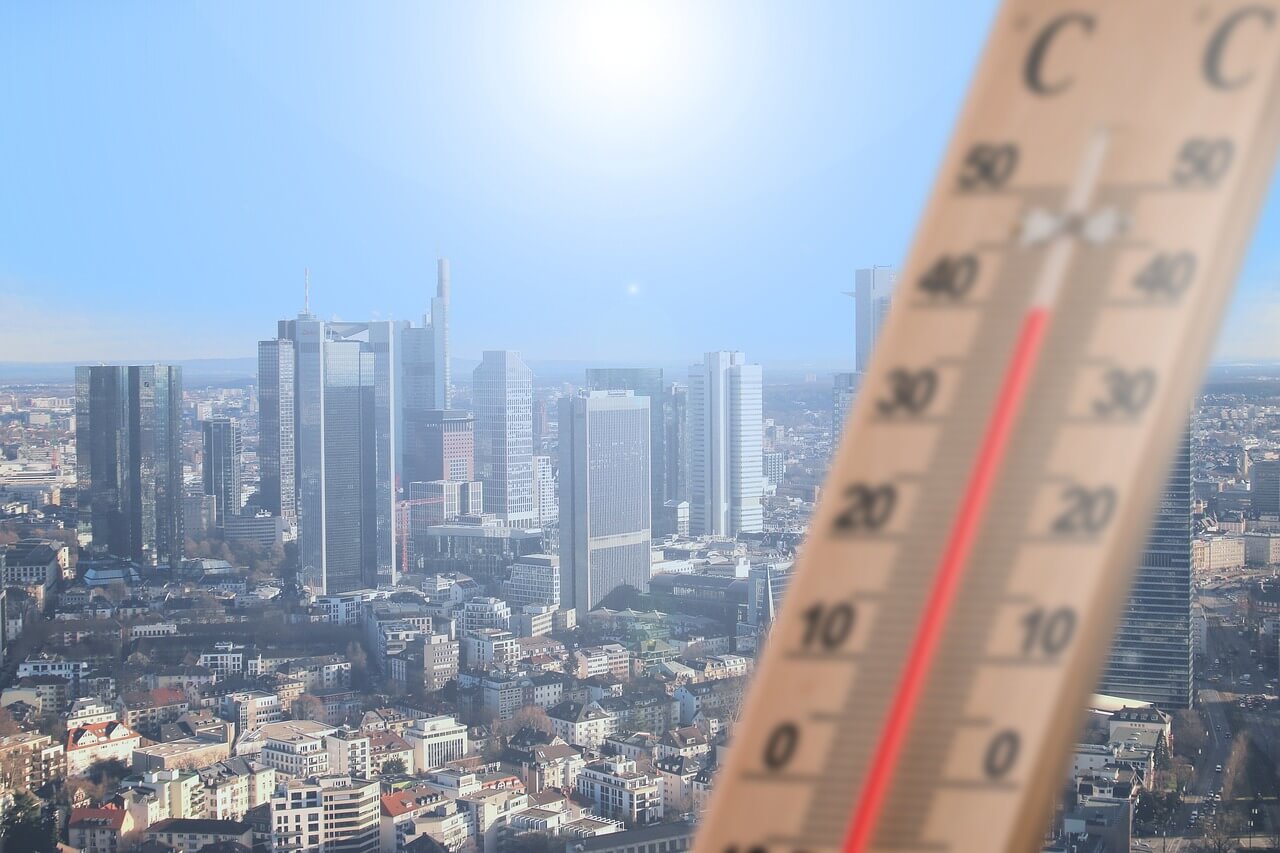
Japan’s summer heat is amplified by its geography. Surrounded by ocean and influenced by seasonal weather patterns, Japan experiences long stretches of humid air during summer. Cities trap heat between buildings, creating uncomfortable conditions even at night.
Unlike short heat waves, Japanese summers last for weeks. This prolonged exposure is what often leads to natsubate, especially for people who are new to the climate.
Best times of day to go outside
Timing is one of the most effective ways to manage summer heat. Late morning through mid afternoon is usually the most dangerous period, when both temperature and humidity peak.
Early mornings and evenings are generally safer for errands and exercise. Many people adjust their schedules to avoid peak humid hours, especially during July and August.
Useful apps and tools for heat management
Technology plays a big role in modern Heat relief. Weather apps in Japan provide detailed forecasts that include temperature, humidity, and heat warnings. Monitoring these helps people plan their day around the summer heat.
Portable fans, cooling wipes, and neck cooling rings are commonly used. Hydration reminder apps also help prevent dehydration, which can worsen natsubate symptoms.
Clothing choices that reduce discomfort
What you wear has a huge impact on how you experience the summer heat. Loose fitting clothing allows airflow and reduces heat retention. Breathable fabrics help sweat evaporate more efficiently, even in humid conditions.
Dark colors tend to absorb heat, while lighter colors reflect it. Many people in Japan choose functional summer clothing designed specifically for Heat relief and moisture control.
Hydration and nutrition during summer
Staying hydrated is essential during periods of summer heat. Sweating causes the body to lose water and electrolytes quickly, especially in humid weather.
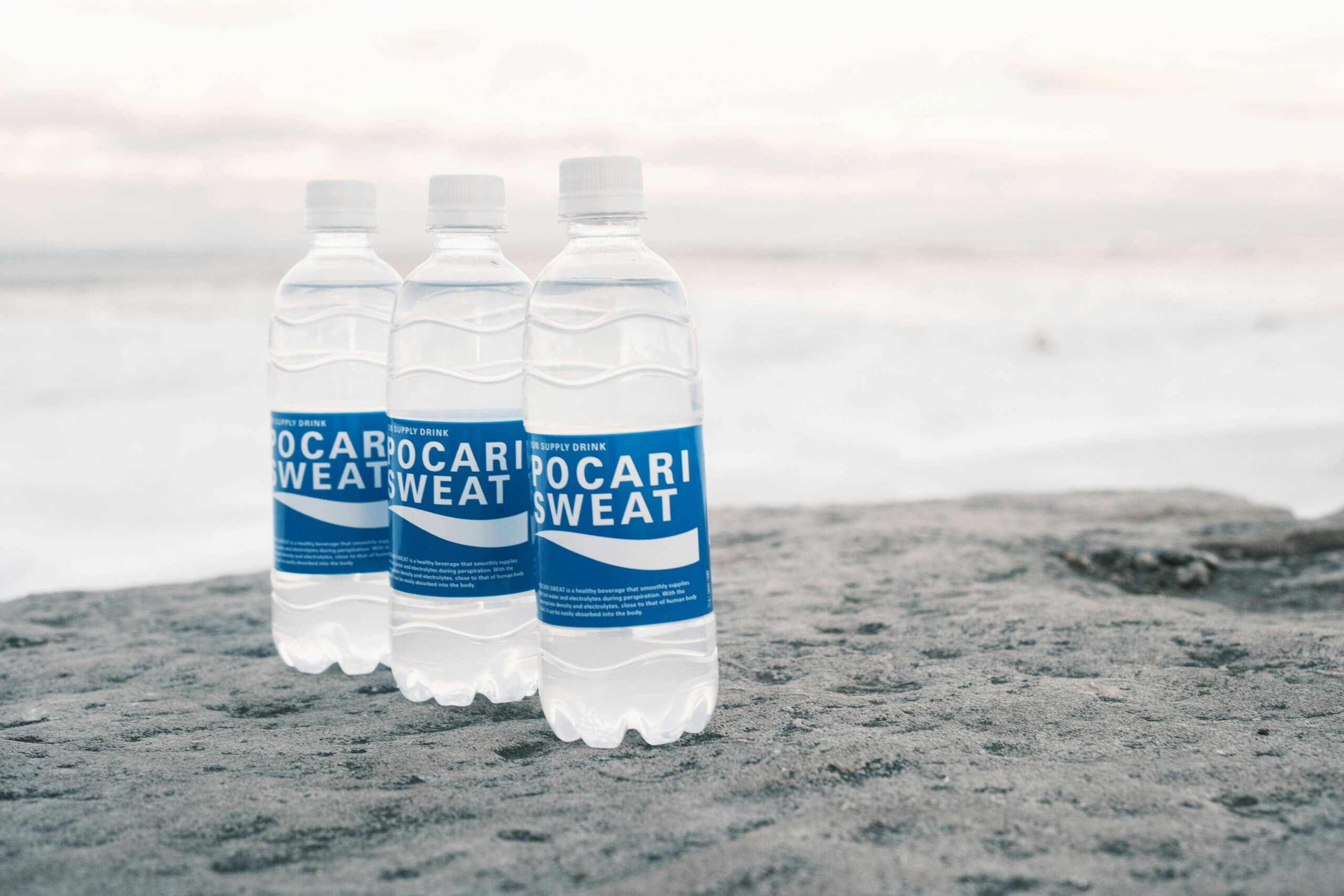
Many people in Japan drink electrolyte beverages to replace minerals lost through sweat. Eating lighter meals and cooling foods also helps prevent digestive strain associated with natsubate.
Indoor strategies for surviving summer heat
Indoor environments are just as important as outdoor precautions. Air conditioning and dehumidifier settings help reduce humidity, making the summer heat more bearable.
Taking cool showers, using breathable bedding, and ensuring proper airflow all contribute to better sleep. Poor sleep is one of the main factors that worsens natsubate, so nighttime cooling is crucial.
Common mistakes during Japanese summer
One common mistake is pushing through discomfort without resting. Ignoring early signs of natsubate often leads to more severe exhaustion later.
Another mistake is underestimating humidity indoors. Even air conditioned rooms can feel draining if moisture levels remain high during summer heat.
How summer heat affects productivity and daily energy
The summer heat in Japan often affects concentration and productivity more than people expect. Long exposure to humid conditions can cause mental fatigue, even when physical activity is limited. Many people notice they feel slower, less motivated, or more irritable during peak heat periods.
This is one reason why pacing is important. Taking short breaks, staying hydrated, and reducing unnecessary movement during the hottest hours can help prevent natsubate. Understanding that reduced energy is a normal response to summer heat allows people to adjust expectations and avoid burnout.
Final thoughts
The summer heat in Japan is challenging, but it is manageable with the right habits, timing, and tools. Recognizing natsubate early, prioritizing Heat relief, and adjusting daily routines can protect your health throughout the season.
If you are living in Japan and looking for flexible indoor work during the hottest months, consider working part time with One Coin English as an English Conversation Teacher. Teaching offers stable schedules away from the summer heat, and you can learn more at https://onecoinenglish.com/hireme/blog

Part-Time English Teaching at OCE
We provide training, observations, and feedback for new teachers. We will help you to become a successful teacher!