
Tea Ceremony in Japan: Lessons, Etiquette, Costs, and Tips
Participating in a Tea ceremony is one of the most immersive ways to experience Japanese culture. While many tourists try one-time experiences, residents can go deeper by studying sado (the way of tea). Learning Tea ceremony practice teaches mindfulness, hospitality, and seasonal awareness. Each movement, from handling utensils to bowing, has meaning, making the process both meditative and culturally rich.
Many residents don’t realize how accessible Tea ceremony lessons are. You don’t need perfect Japanese or an expensive kimono. Classes range from casual, beginner-friendly sessions to formal training with certification. Whether you’re seeking a relaxing hobby, social interaction, or deeper cultural understanding, starting Tea ceremony practice can be surprisingly approachable.
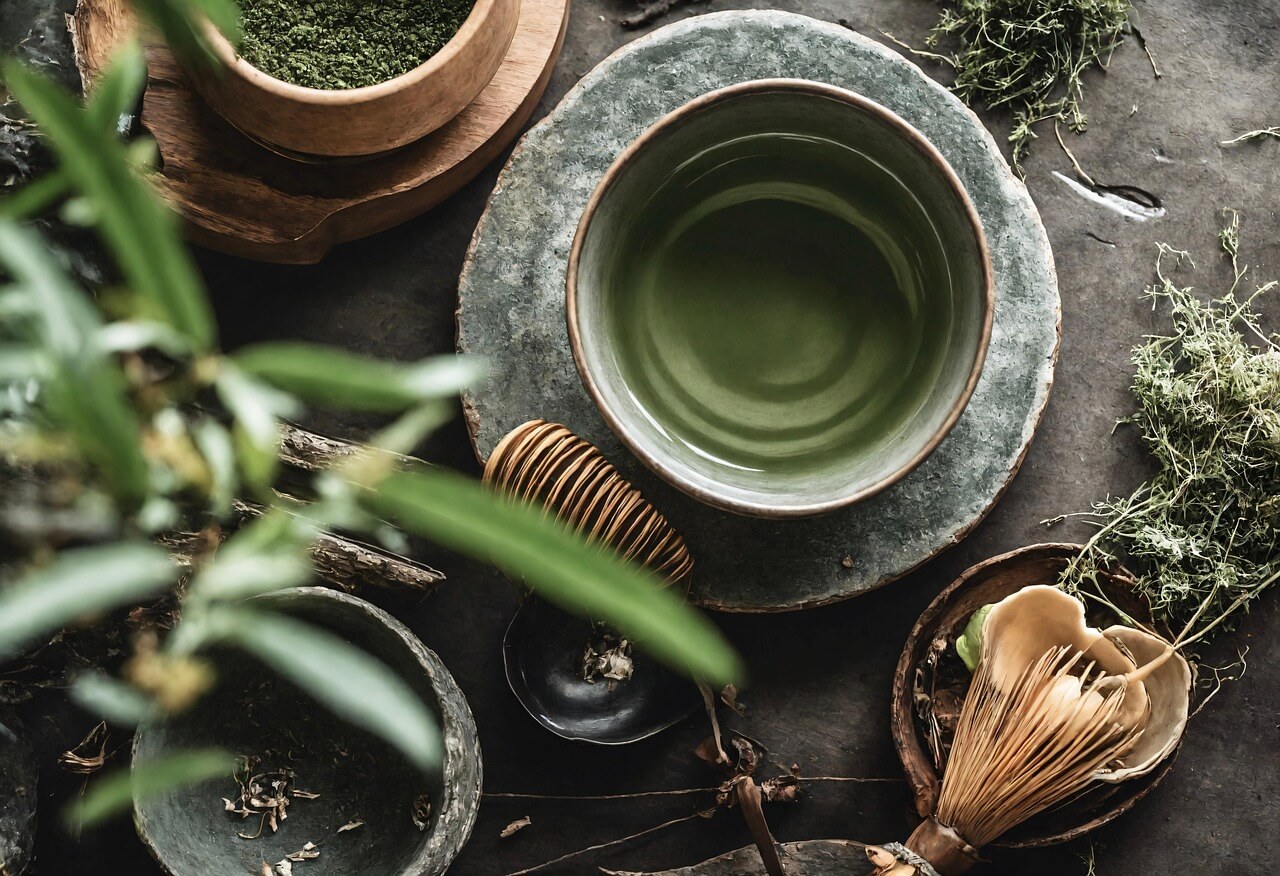
Lessons vs Cultural Experiences
It’s helpful to distinguish between one-time experiences and structured lessons.
Experiences:
• One-time cultural activity, usually 1~2 hours
• Wear a kimono if desired
• Watch a demonstration by the instructor
• Learn basic matcha preparation
Lessons:
• Regular practice, often weekly or bi-weekly
• Learn movements, postures, and the philosophy behind sado
• Study matcha preparation, utensil handling, and seasonal variations
• Opportunity for community, social events, and progression
If your goal is to truly understand the art of Tea ceremony, regular lessons are the way to go. Experiences are enjoyable but limited in scope.
What Happens in a Typical Class
A standard Tea ceremony lesson usually follows this flow:
- Greeting and bowing – Students and teacher exchange respectful bows.
- Preparing the space – Cleaning and arranging tools ritualistically, which teaches mindfulness.
- Making matcha – Following precise steps to whisk tea to the correct consistency.
- Serving and receiving tea – Students learn to present tea with proper posture and etiquette.
- Reflection and discussion – Reviewing what went well and what can be improved.
Repetition is central to learning Tea ceremony, allowing each student to internalize movements and appreciate the meditative rhythm of the practice.
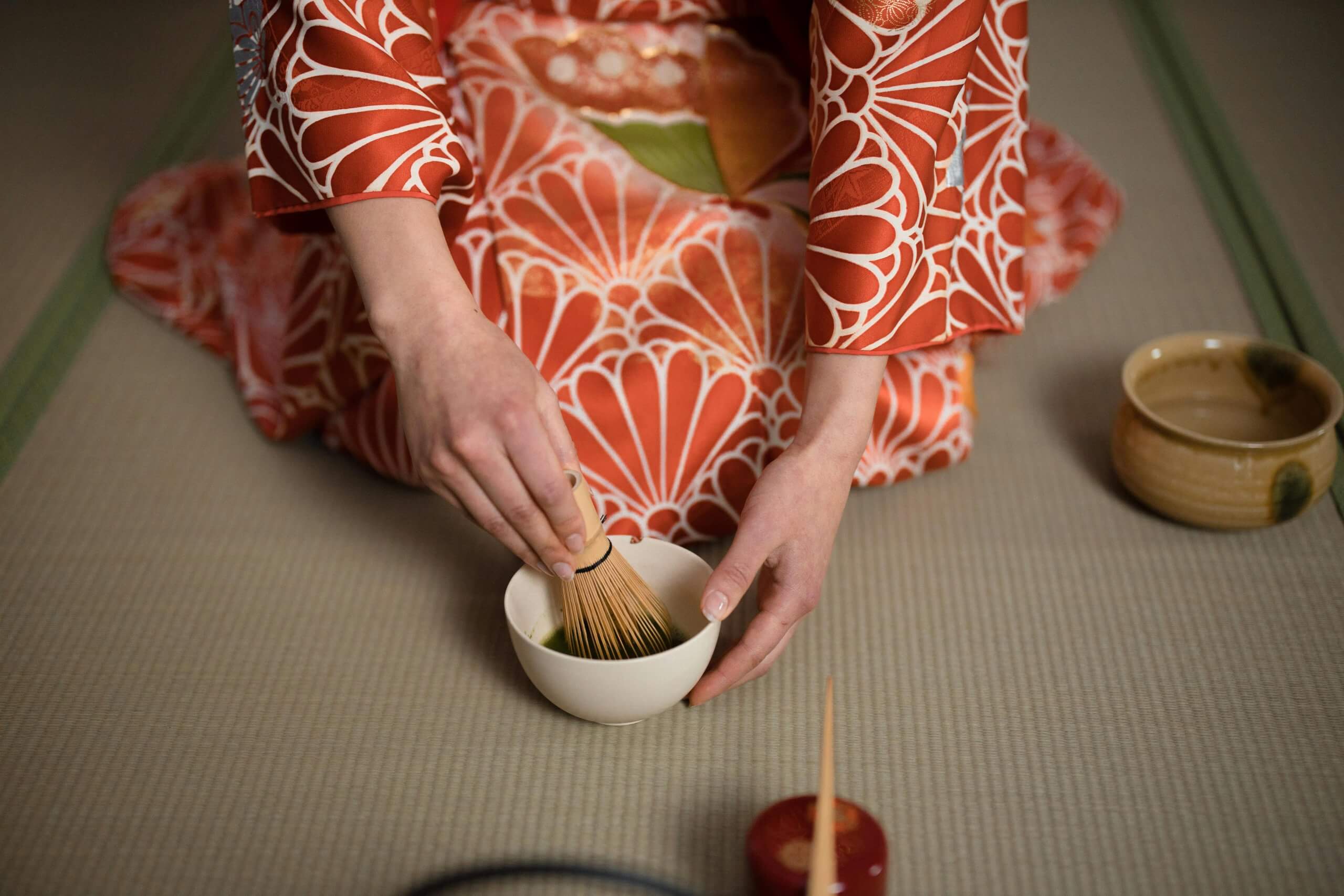
Basic Tea Etiquette
Observing proper etiquette is crucial. Some key points:
- Bow before drinking
• Rotate the bowl slightly before sipping
• Finish all matcha in the bowl
• Compliment the bowl or tea to show appreciation
Even small gestures convey respect, reflecting the spirit of sado. Many teachers also encourage quiet observation to develop awareness of subtle movements and seasonal details.
Useful Phrases for Tea Ceremony
Knowing a few phrases can enhance your experience:
- お点前頂戴いたします (Otemae choudai itashimasu) – Thank you for preparing the tea
- 結構なお点前でした (Kekkou na otemae deshita) – Thank you, that was a wonderful tea ceremony
Using simple Japanese phrases shows respect and helps you integrate into the Tea ceremony environment, especially in resident-focused classes.
What to Buy vs Borrow
Beginners often borrow utensils at first. Essential tools include:
- Tea bowl (chawan)
• Whisk (chasen)
• Scoop (chashaku)
• Cloth for cleaning (chakin)
As you continue Tea ceremony lessons, you may want to invest in personal tools. Many people collect seasonal bowls, handcrafted bamboo whisks, or specialty tea scoops. Having your own set encourages home practice and a deeper connection with the art.
Typical Costs
Costs vary widely depending on style and formality:
- Community lessons: ¥2,000 ~ ¥4,000 per session
- Cultural schools or private lessons: ¥5,000 ~ ¥10,000 per session
- Additional materials: Matcha powder, sweets, or personal tools
Community centers are generally the most affordable, while formal schools may charge higher fees but provide certification and long-term training.
Finding a Local Group
Joining a community is a great way to keep learning. Search for:
- Local community centers or cultural centers
• International groups offering Japanese cultural activities
• Tea shops hosting classes or workshops
Practicing with others helps build confidence, and many residents find that community events, seasonal tea gatherings, or volunteer opportunities enrich their learning experience.
Practicing at Home
Even if you attend classes, home practice is key to improvement. Try:
- Whisking matcha daily or weekly to perfect technique
• Experimenting with serving tea to friends or family
• Learning seasonal tea arrangements using flowers or simple decorations
• Following online tutorials or books on sado philosophy
By combining classroom instruction with home practice, you can internalize the discipline, mindfulness, and elegance of Tea ceremony.
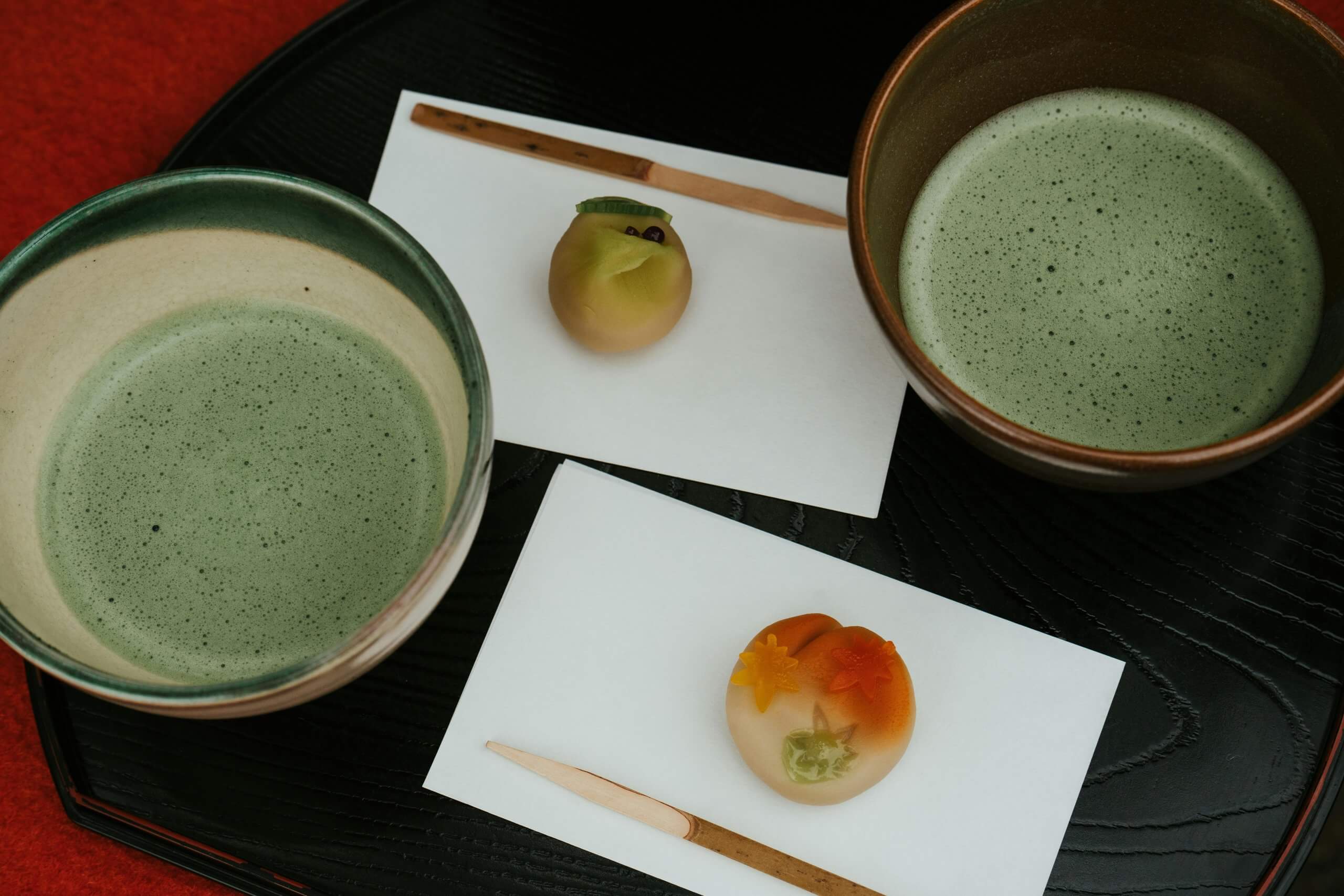
Living in Japan While Enjoying Tea Ceremony
Studying Tea ceremony offers more than just learning to make matcha. It cultivates patience, focus, and awareness of the seasons. Many residents find that Tea ceremony complements other hobbies such as calligraphy, flower arrangement, or meditation.
If you’re building a life in Japan while exploring cultural hobbies, you can find practical work and part-time opportunities at https://onecoinenglish.com/hireme
Working with One Coin English as a part-time English Conversation Teacher is a flexible way to support your lifestyle. Teaching schedules are often compatible with regular Tea ceremony lessons, giving you the freedom to enjoy cultural activities while earning stable income. Combining a creative hobby like Tea ceremony with flexible work makes it possible to live fully in Japan while pursuing both personal and professional growth.

Part-Time English Teaching at OCE
We provide training, observations, and feedback for new teachers. We will help you to become a successful teacher!